Understanding Capitol Hill Historic District Renovation Rules
July 9, 2026
July 9, 2026
Two rowhouses sold on the same East Capitol block last year at nearly the same price. One buyer swapped the front windows in about ten weeks. The other spent close to a year and roughly $36,000 replicating historic roof tiles that had already begun to rot, because the review office required a like-for-like replacement rather than a modern shingle substitution. Same list price, very different second bill.
That second bill is the part of Capitol Hill pricing that never shows up on a portal. If you have decided to buy here and you are staring at the median sold figures, the useful question is not what the house costs. It is what the house plus the review calendar plus the approved scope of work costs, together, on your timeline.
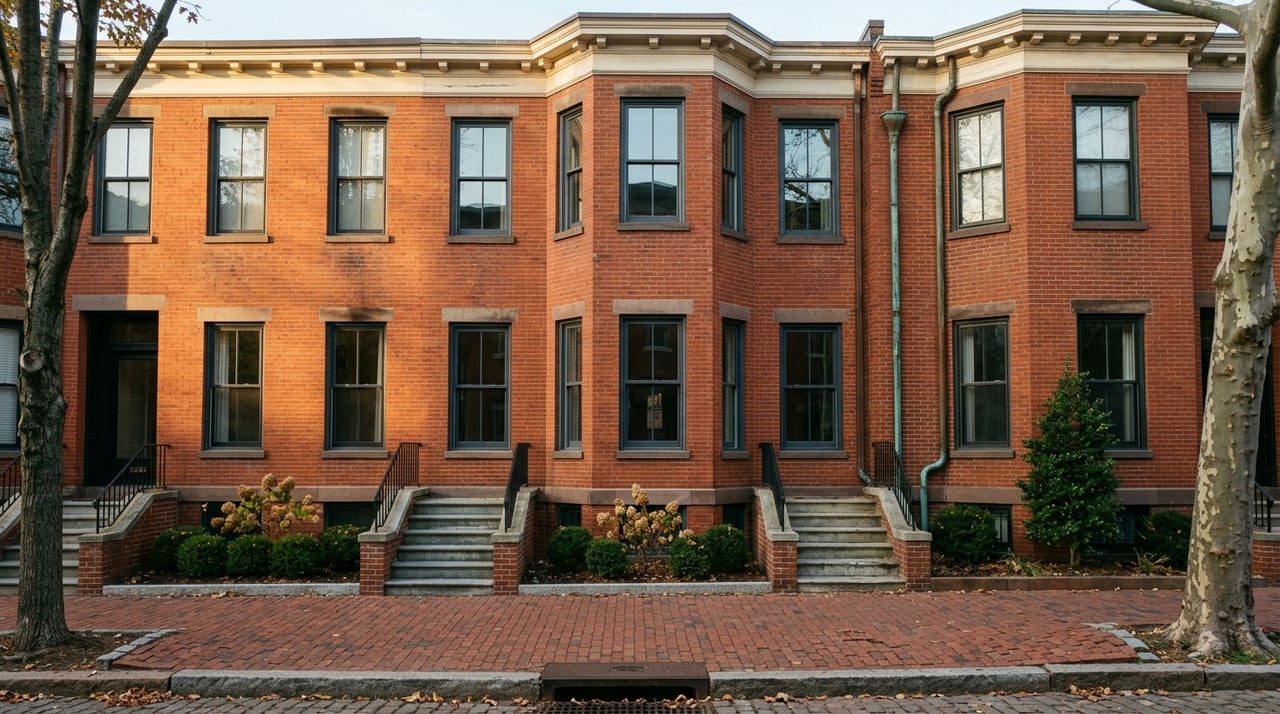
Capitol Hill is the largest local historic district in Washington, covering about 1.17 square miles and roughly 6,579 residential properties. If a home sits inside those boundaries, any exterior change visible from a public street or alley runs through the DC Historic Preservation Office and, for larger projects, the Historic Preservation Review Board before the Department of Buildings will issue a permit.
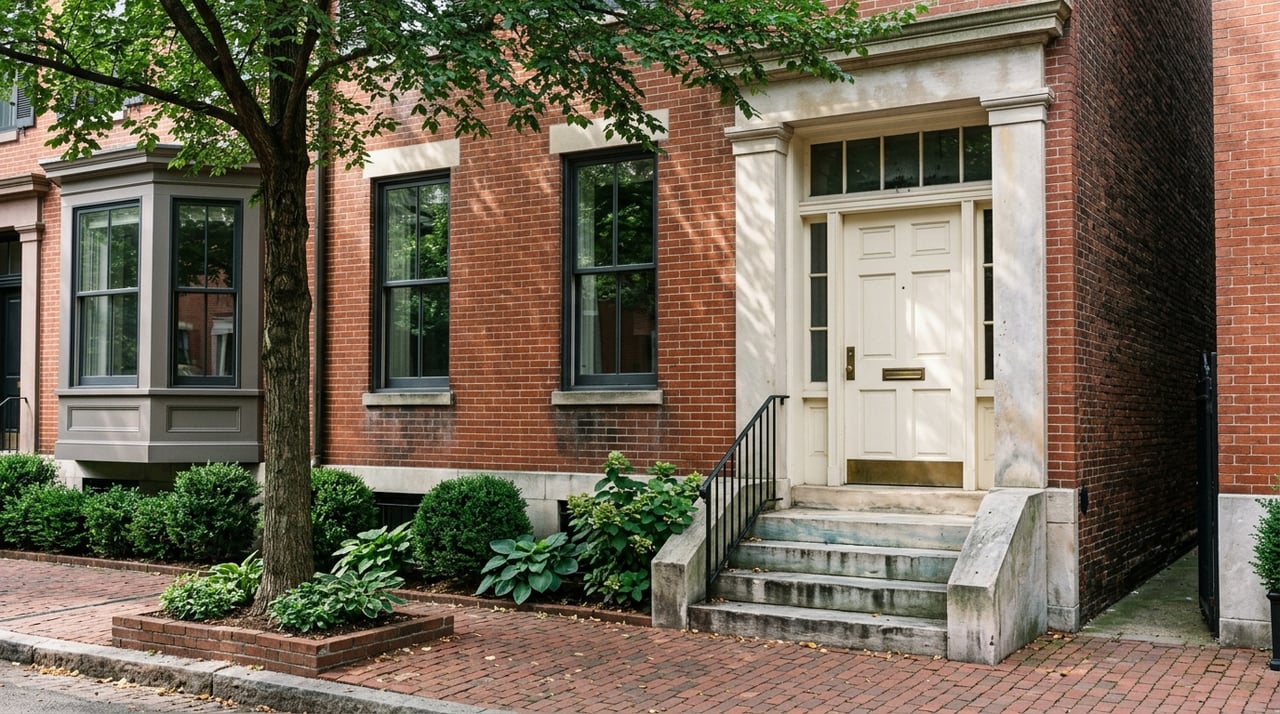
Interior work is generally left alone unless a property carries a separate interior landmark designation. The review is about what the block sees: front facades, stoops, porches, front yard fences, cornices, visible roof planes, and often side elevations. Rear work that cannot be seen from public space is treated with more latitude, though visibility itself is judged carefully.
This is the mechanism buyers underprice. Two homes at $850,000 can carry very different renovation ceilings depending on whether the previous owner already secured approvals, whether the property is classified as contributing to the district, and how much of the visible exterior a buyer plans to touch.
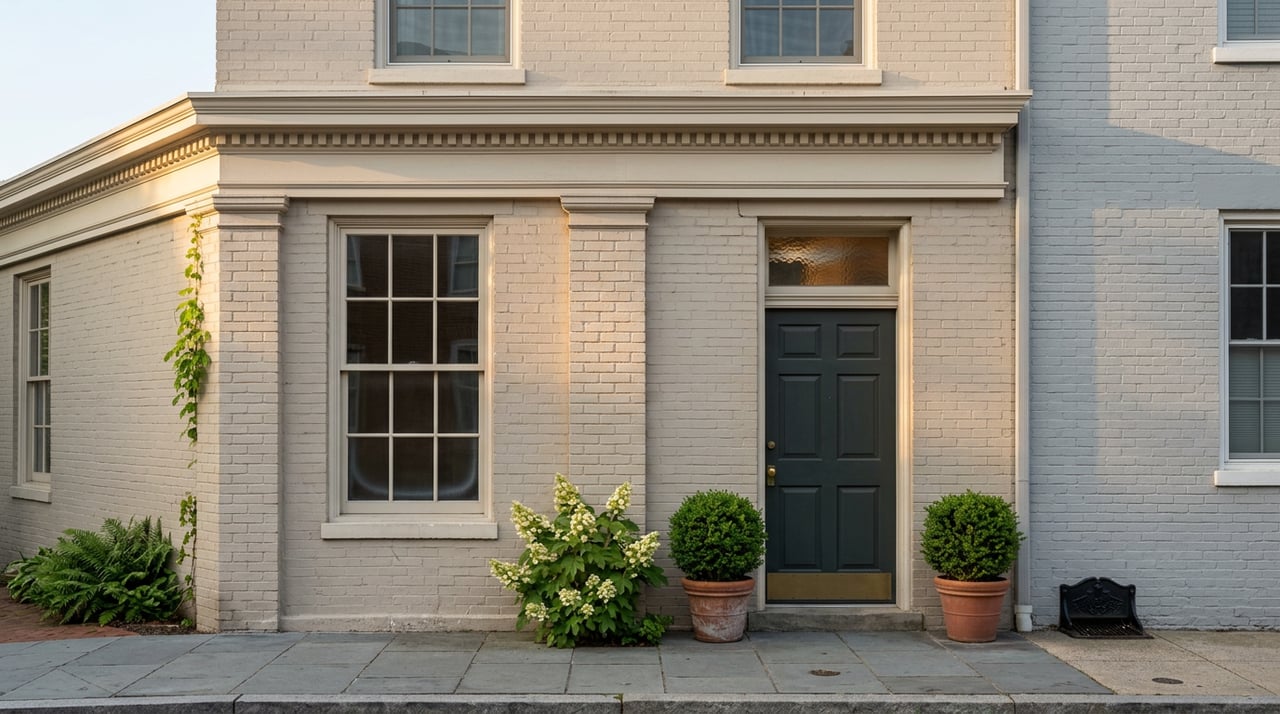
Every property inside the district is coded as either contributing to the historic character or non-contributing. That label sets the tone for every future application. A contributing rowhouse with intact original windows, cornice, and iron railings will face a repair-first posture from staff reviewers. A non-contributing infill on the same block may have meaningfully more design freedom, especially at the rear.
Before writing an offer on anything inside the district, it is worth asking the listing side three specific things:
Unpermitted exterior work is not a small footnote. The District can issue stop-work orders, require reversal of non-compliant alterations, and levy penalties under the Historic Landmark and Historic District Protection Act. That risk transfers to the next owner. A tidy new front door installed without approval three summers ago is your problem once you close.
Money matters, but on Capitol Hill the review calendar is what actually reshapes a renovation budget. A rough sequence to keep in your head:
Stack those honestly. A rear addition that also needs zoning relief is a nine-to-twelve month path from serious drawings to permit, before the first demo day. A window swap on a visible elevation can run three to six months to be permit-ready even when nothing goes wrong. This is not a slow-walk of the paperwork. It is the plan.
Two other bodies sit alongside HPO and DOB. Your Advisory Neighborhood Commission and the Capitol Hill Restoration Society both review and comment on filings in the district. Their input is not a rubber stamp in either direction, and engaging both early tends to shorten, not lengthen, the total timeline.
Three of the most common Capitol Hill buyer plans, translated into what the review process will and will not support.
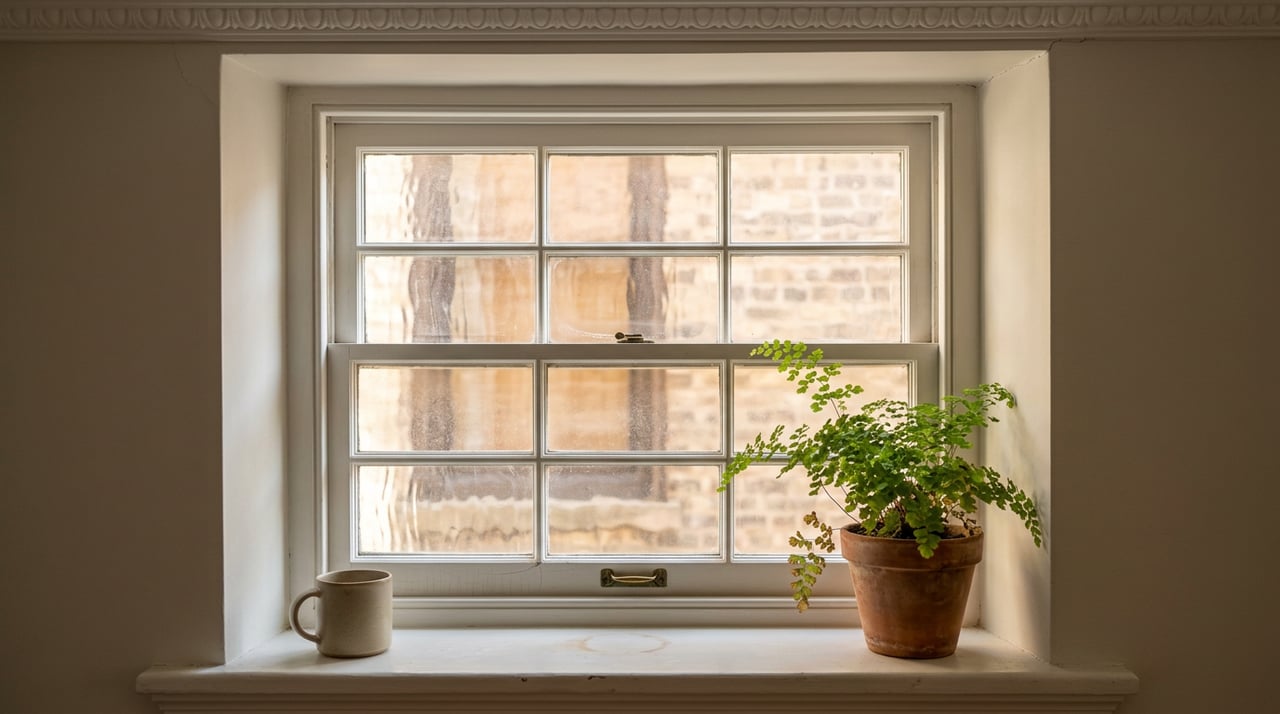
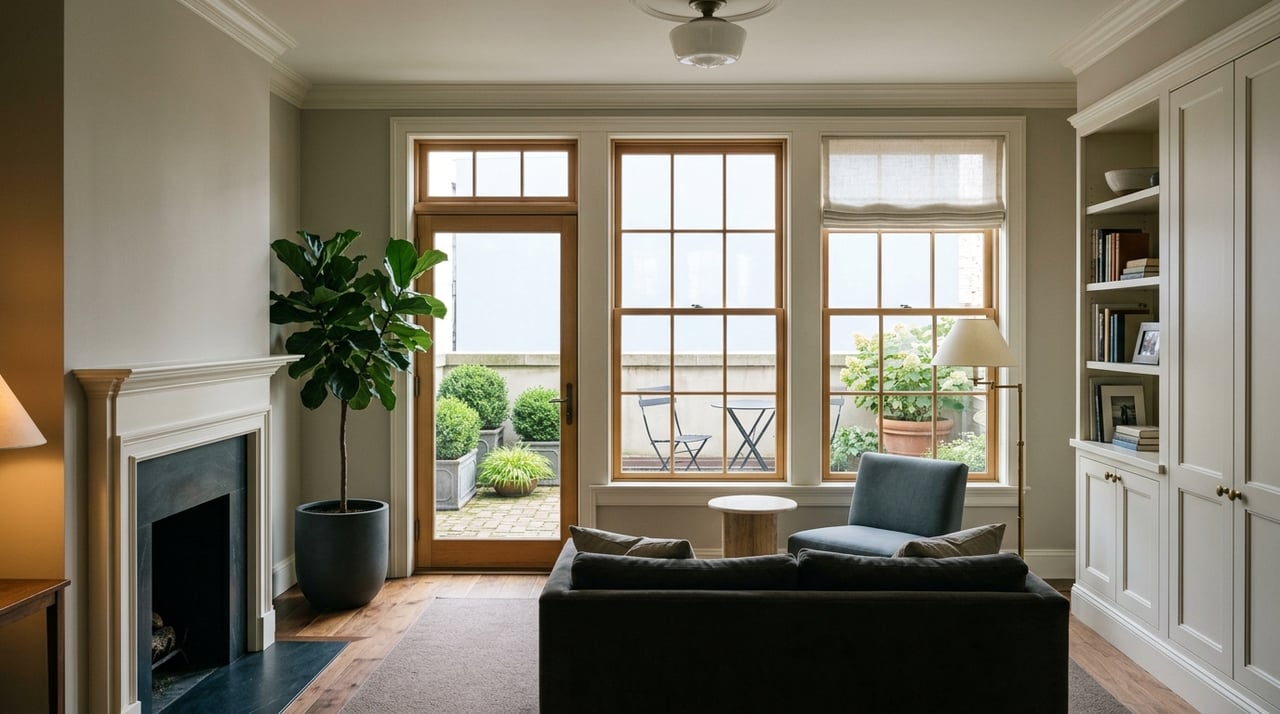
Windows on the front elevation. Expect a repair-first stance. If replacement is approved, staff typically want matching muntin patterns, similar sightlines, and profiles consistent with the original sash. Off-the-shelf vinyl units that change the profile are frequently rejected on street-facing elevations. Wood or high-grade simulated divided-lite units on the front, with more latitude at the rear, is the usual landing spot.
Rear addition. This is where the district is most workable. A subordinate, set-back rear addition that is not visible from the street has a real chance of approval. If your buying thesis relies on a two-story rear pop-back to add a family room and a primary suite, you are on the strongest ground the review process offers you.
Full pop-up or added floor. This is the plan that most often collides with the guidelines. Adding a floor on top of a historic Capitol Hill building has generally been treated as inconsistent with the purposes of the preservation law, because it changes the height, mass, and roofline. Buyers who need an extra full floor to make the math work should assume that path is closed and price the house accordingly.
Masonry and paint. Painting previously unpainted brick draws review. Repointing has to use compatible mortar rather than a modern high-strength mix that damages soft historic brick. These are unglamorous items, but a poorly done repoint on a front facade is the kind of unpermitted work that can surface as a condition years later.
Iron and fencing. Front yard fences are expected to be iron rather than vinyl or aluminum. The historic iron stoop rails and areaway fencing that define so many blocks are, in practical terms, protected features. Treat them as sunk cost and design around them.
For most of the last five years, the market did not give Capitol Hill buyers time to work through any of this. Homes moved in days, and the review calendar was something you inherited rather than diligenced.
That has changed. Across the three months ending May 2026, Capitol Hill homes sold at a median of about $925,000, with typical time on market at roughly 41 days compared to 33 days a year earlier. Broken out by zip, May 2026 data showed median sold prices near $650,000 in 20002 and $830,000 in 20003, with closed sales up meaningfully year over year in both. Citywide, active listings across the DC metro have run about 33 percent above last year, and the DC median in the three months ending May 2026 sat near $695,000, essentially flat year over year.
Read those numbers through the historic-district lens and a picture forms. Buyers now have time to schedule a pre-application conversation with HPO before removing an inspection contingency. They can price a contributing rowhouse that needs a window package differently from a non-contributing infill next door. They can walk away from a house whose value depends on a pop-up that is not going to be approved. In 2021 that discipline cost you the deal. In 2026 it is how you avoid overpaying by the exact amount of your future review bill.
Mortgage rates hovering around 6.49% in early summer 2026 sharpen the same point. When financing is not free, the review calendar is not free either. Every additional month between closing and a finished renovation is another month of carrying costs on a home that is not yet what you bought it to be.
Does historic review apply to interior work? Generally no. Review focuses on exterior changes visible from public space, unless a property carries a specific interior landmark designation.
Can I paint my brick a new color? Paint color on already-painted surfaces is usually not regulated for private homes, but painting previously unpainted masonry does draw review and is often discouraged.
What happens if the previous owner did unpermitted exterior work? That risk travels with the property. After-the-fact approvals are sometimes possible, but the District can also require reversal at the owner's expense, which is why the question belongs in your inspection period rather than after closing.
If you are weighing a Capitol Hill rowhouse and want a candid read on what the review process will and will not let you do with it, Donald Denton has spent decades helping buyers price that second bill before they sign the first one. Let's Connect.

Discover a real estate experience defined by trust, expertise, and heartfelt dedication. Donald's lifelong understanding of what “home” truly means guides every client and every decision.