Buying A Capitol Hill Rowhouse: Layouts, Age, And What To Expect
June 25, 2026
June 25, 2026
If you are thinking about buying a Capitol Hill rowhouse, you are probably drawn to the same things that pull in so many buyers: the brick facades, the sense of history, and the chance to own something with real character. You may also be wondering what daily life in one of these homes actually feels like, and what kinds of surprises can come with an older property. This guide will help you understand the typical layouts, the age and condition issues to watch, and the renovation realities that matter most in Capitol Hill. Let’s dive in.
Capitol Hill is not just a collection of old homes. It is part of a historic district designated locally in 1973 and listed on the National Register in 1976. According to DC’s Office of Planning, the district covers roughly 200 city squares and about 8,000 buildings, with a period of significance from 1791 to 1945.
That scale matters when you shop for a home here. You are not looking at one uniform housing type, but a broad mix of historic buildings that still read as cohesive from the street. That visual consistency can make block after block feel timeless, even though the interior layouts and renovation histories can vary quite a bit.
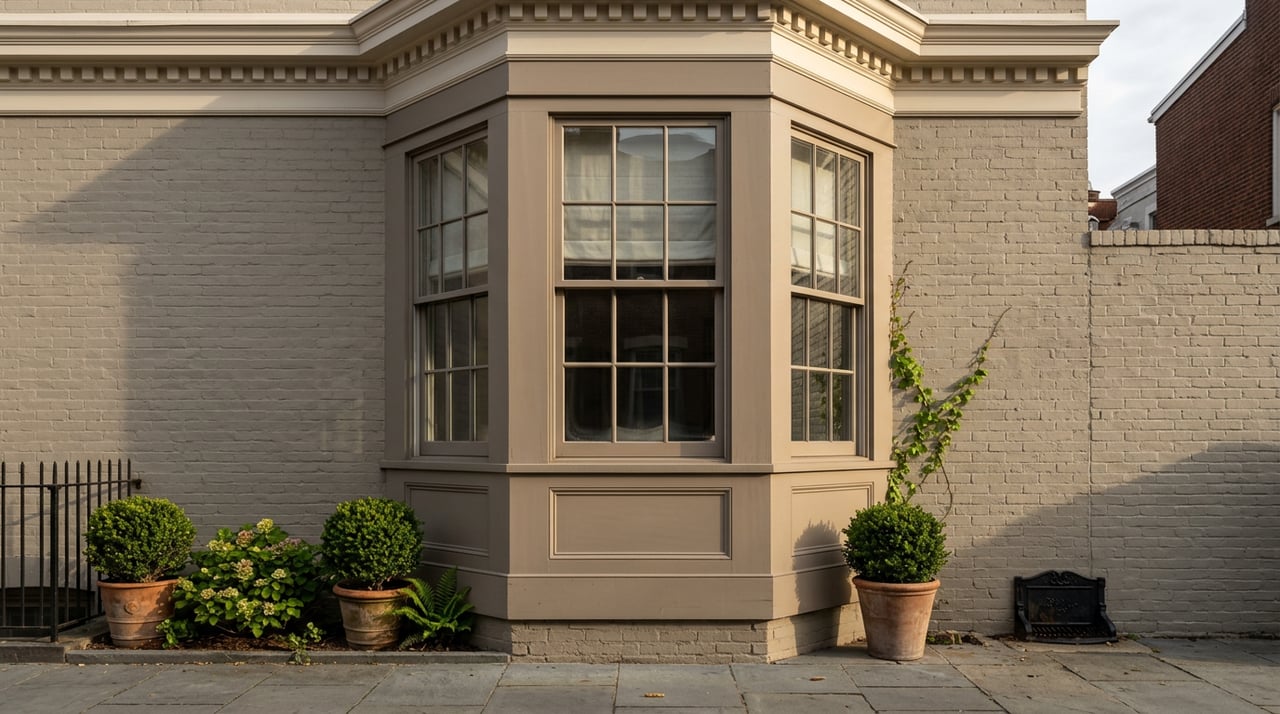
Most Capitol Hill rowhouses were built during the late 19th century. DC’s historic district materials point to major growth after the 1871 Projection Act, which allowed features like bay windows, corner towers, and porches to project into public space, and after the 1883 Civil Service Act, which supported a steadier middle-class housing market for federal workers.
In practical terms, that means many homes you tour today were designed for a different era of city living. They often predate modern kitchens, central air, open floor plans, and contemporary insulation methods. You can absolutely enjoy modern comfort in these homes, but you should expect many updates to have been layered onto an older structure over time.
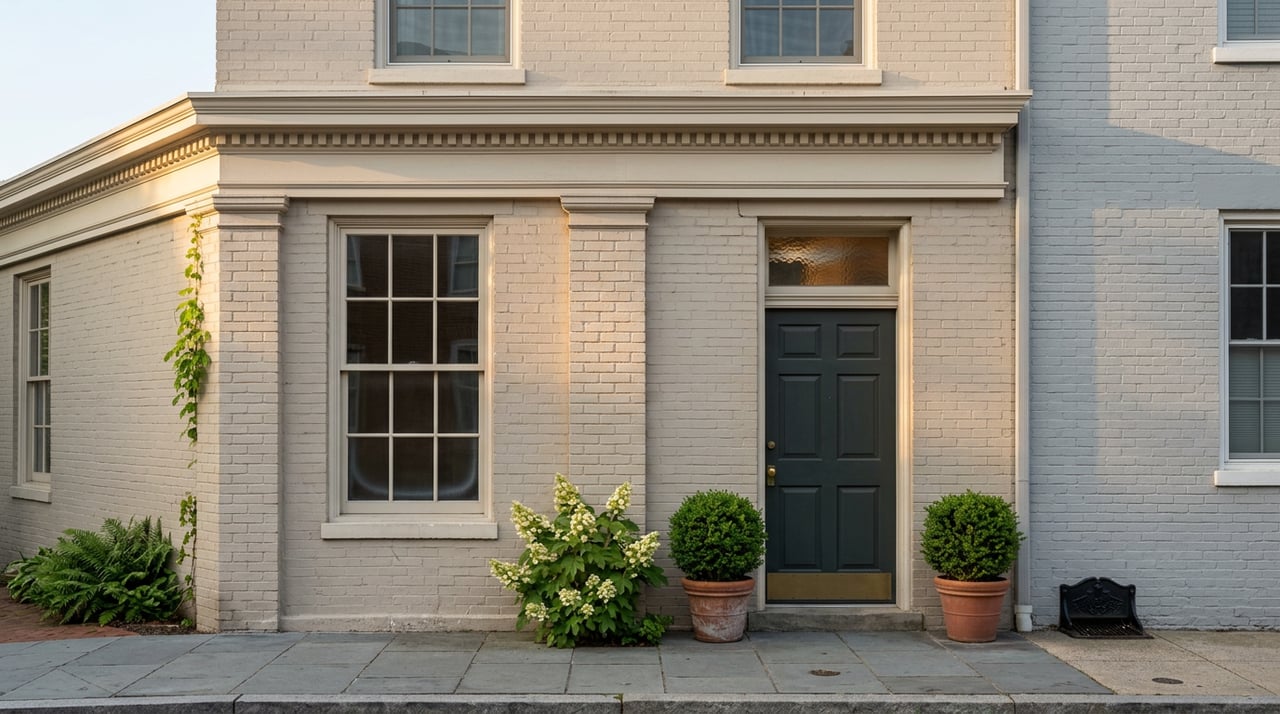
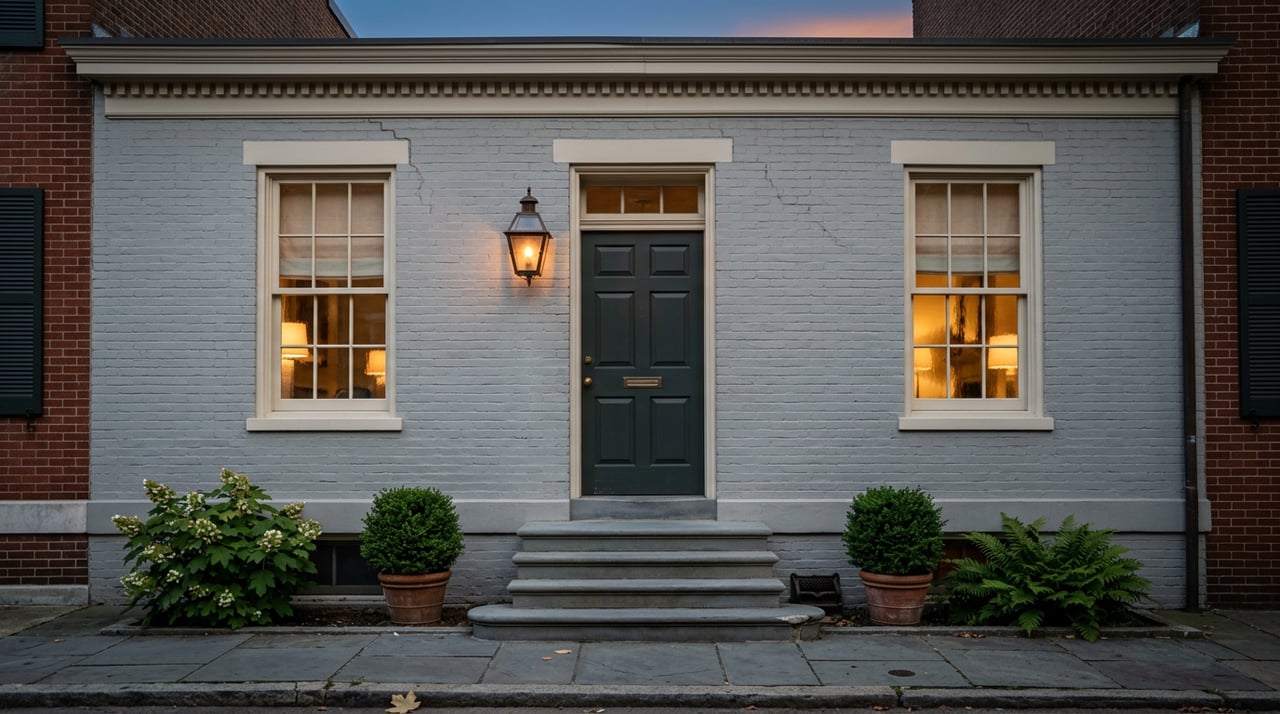
Capitol Hill rowhouses often share a brick exterior, but the details can differ from house to house. DC’s Office of Planning identifies flat-fronted Italianate rows as common in the 1870s, with Queen Anne and Romanesque Revival styles becoming more fashionable in the 1880s and 1890s.
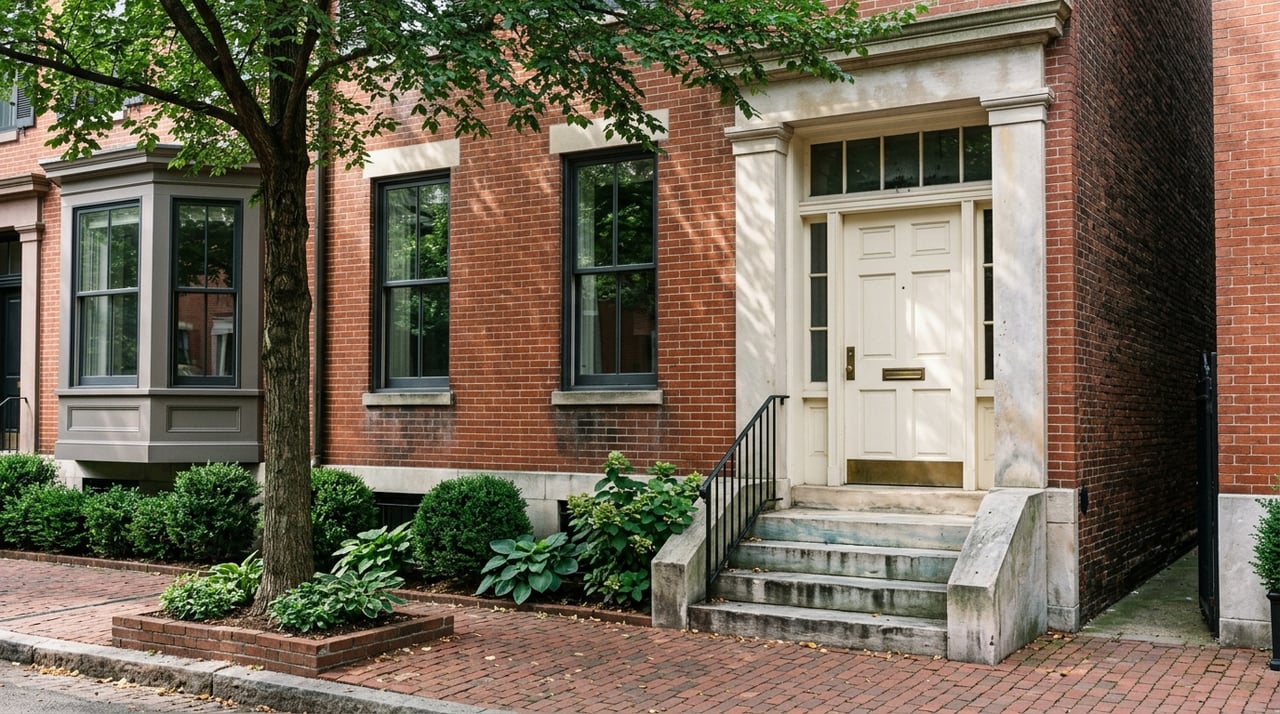
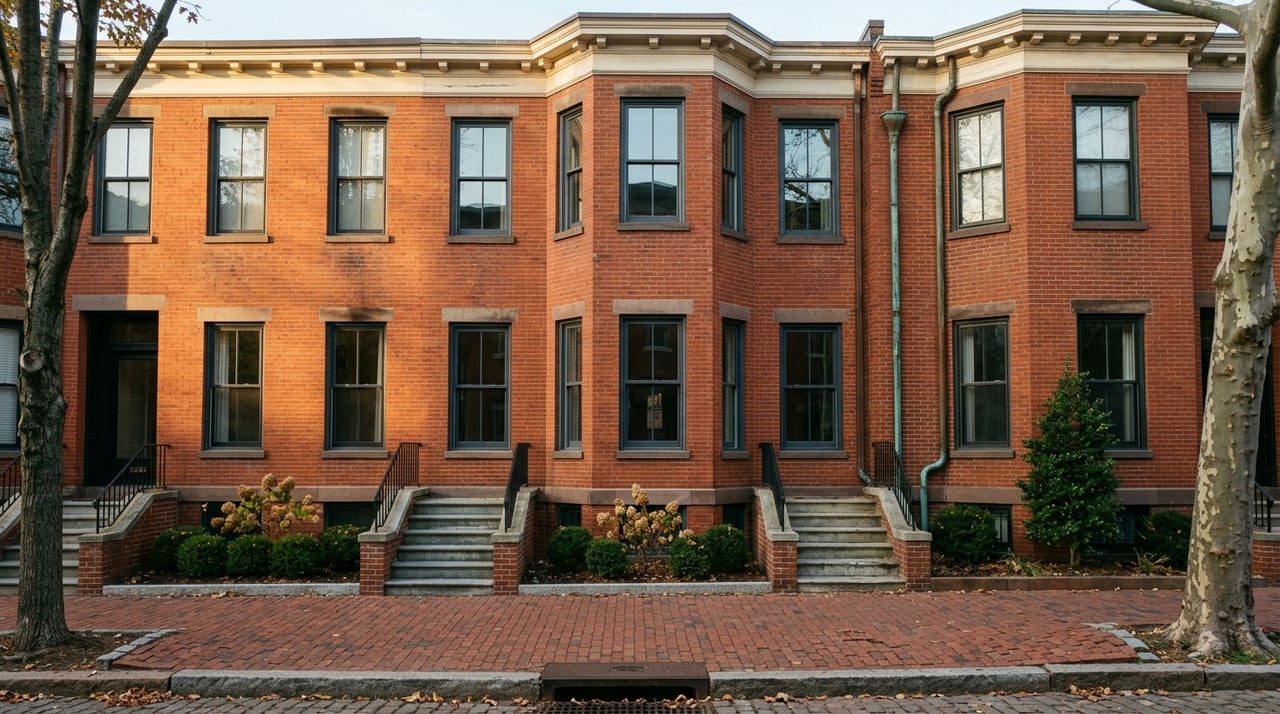
A typical late-19th-century Capitol Hill rowhouse is often a 2.5-story brick home with projecting bays. Some houses feel simple and orderly from the sidewalk, while others have more ornament and texture. That variety is part of the appeal, but it also means no two rowhouses should be assumed to function exactly the same inside.
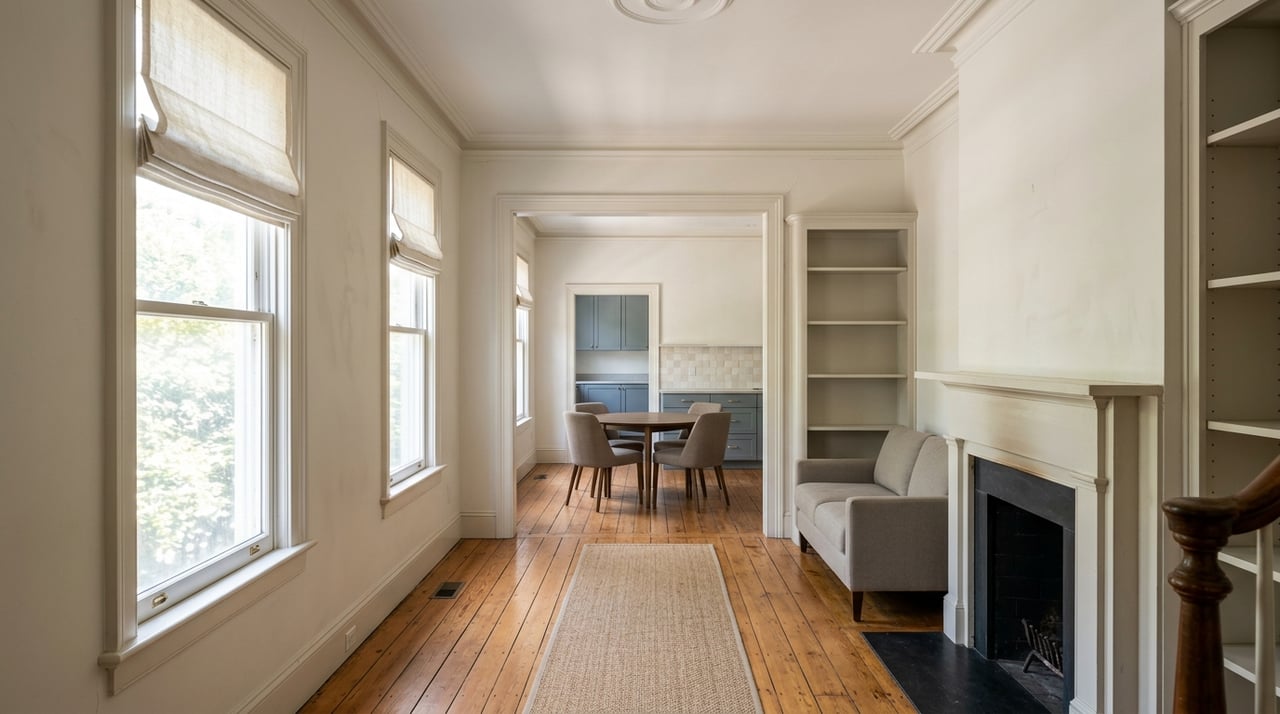
Many historic rowhouses follow a side-hall layout. The National Park Service describes a common pattern with the stair running along one side wall, a front parlor or living room, a dining room behind it, and a kitchen at the rear or sometimes in a partially below-grade basement.
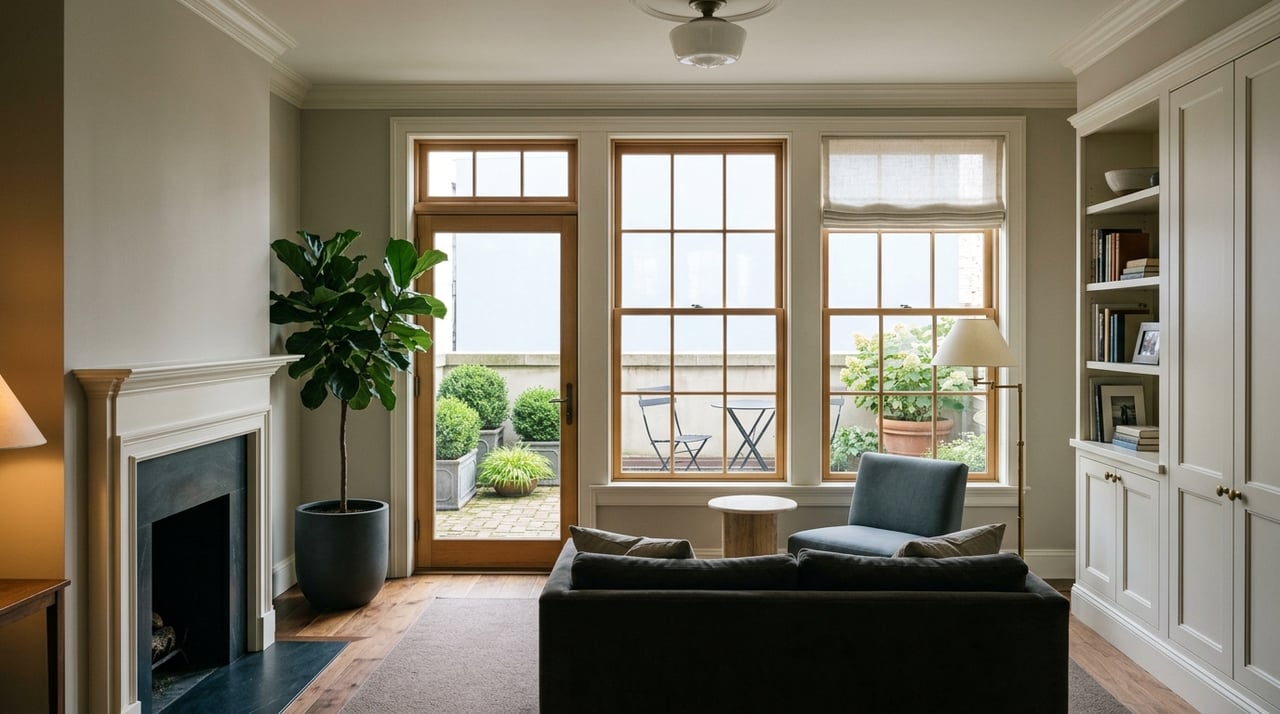
If you are used to newer homes or newer condos, this can feel different right away. Instead of one large open space, you may find a sequence of rooms with clearer separation between living, dining, and service areas. Some buyers love that structure, while others want more openness and need to think carefully about whether the existing flow matches their lifestyle.
Bedrooms are usually on the upper floors, often with narrower hallways and more compartmentalized room layouts than in newer construction. Ceiling heights, window placement, and room shapes can vary depending on the age of the house and later renovations.
That means furniture planning matters. A room that looks large in photos may have quirks like chimney placements, bay projections, or angled circulation paths that affect how you use it.
Basements are often where buyers see the biggest variation. In some homes, the kitchen was historically placed lower down. In others, the basement has been updated later for living space, storage, utility areas, or additional finished rooms.
This is also where renovation quality can differ the most. A lower level may be beautifully modernized, partially improved, or still very utilitarian. When comparing homes, it helps to view the basement not just as bonus square footage, but as a major clue to how the whole property has been maintained and updated.
In a historic rowhouse, some spaces matter more than others from a preservation standpoint. National Park Service guidance identifies the basic floor plan, entry hall, parlors, dining rooms, primary staircase, historic windows and doors, and original floors as character-defining elements.
For you as a buyer, that means the front hall, stair, and main public rooms often carry much of the home’s historic value and visual identity. If those spaces remain intact, the house may feel especially authentic. If they have been heavily altered, the home may function differently, but it can also lose some of the features that make Capitol Hill rowhouses so appealing in the first place.
Kitchens, bathrooms, basements, attics, and secondary staircases usually allow more change. That is one reason many Capitol Hill renovations focus modern improvements toward the back of the house or on the lower level rather than completely reworking the formal front rooms.
This pattern is helpful for buyers to understand. If you tour a house with a historic front parlor and stair hall but a much more contemporary kitchen and basement, that is not unusual. In fact, it is often a common and practical way to modernize a rowhouse while keeping its core character.
If you are buying with plans to renovate, exterior work deserves special attention. DC’s Office of Planning says historic properties use the same building permit process as other properties, but preservation review is an added step.
Projects that may draw major review include demolition, front or side additions, large rear additions, new porches, roof additions, roof decks visible from the street, front facade changes, new or changed window and door openings on front facades, and new curb cuts or parking pads. So if your dream plan includes a major addition or visible roof work, it is smart to understand that process early.
Not every project triggers the same level of review. DC also notes that interior alterations and non-structural interior demolition are generally not subject to preservation review, and that Alteration & Repair permits are the normal permit type for interior renovations like kitchen and bathroom remodeling.
That can be encouraging if you are focused on functionality rather than dramatic exterior change. Many buyers find that a Capitol Hill rowhouse gives them meaningful room to improve kitchens, baths, and lower levels while keeping the parts of the house that make it special.
When you buy an older Capitol Hill rowhouse, the big-ticket issues are often not flashy. They are the quiet systems and surfaces that protect the house over time.
Here are some of the most important areas to review during due diligence:
In older masonry homes, moisture is often the issue behind the issue. Roof leaks, gutter problems, plumbing leaks, foundation dampness, and splash-back against masonry can all contribute to plaster failure and hidden deterioration.
That is why a rowhouse showing cosmetic cracks or peeling paint deserves a closer look. Sometimes the visible issue is minor. Sometimes it is a symptom of a larger maintenance problem that should be understood before closing.
Many buyers hope to improve comfort and lower utility costs after move-in. That makes sense, but older historic houses do not always respond well to the same upgrade strategies used in newer homes.
For example, National Park Service guidance warns that blown-in wall insulation in older masonry houses can trap moisture and create hidden deterioration. The agency recommends more caution, with insulation work often better suited to attics and basements where it can be installed with less impact on historic fabric.
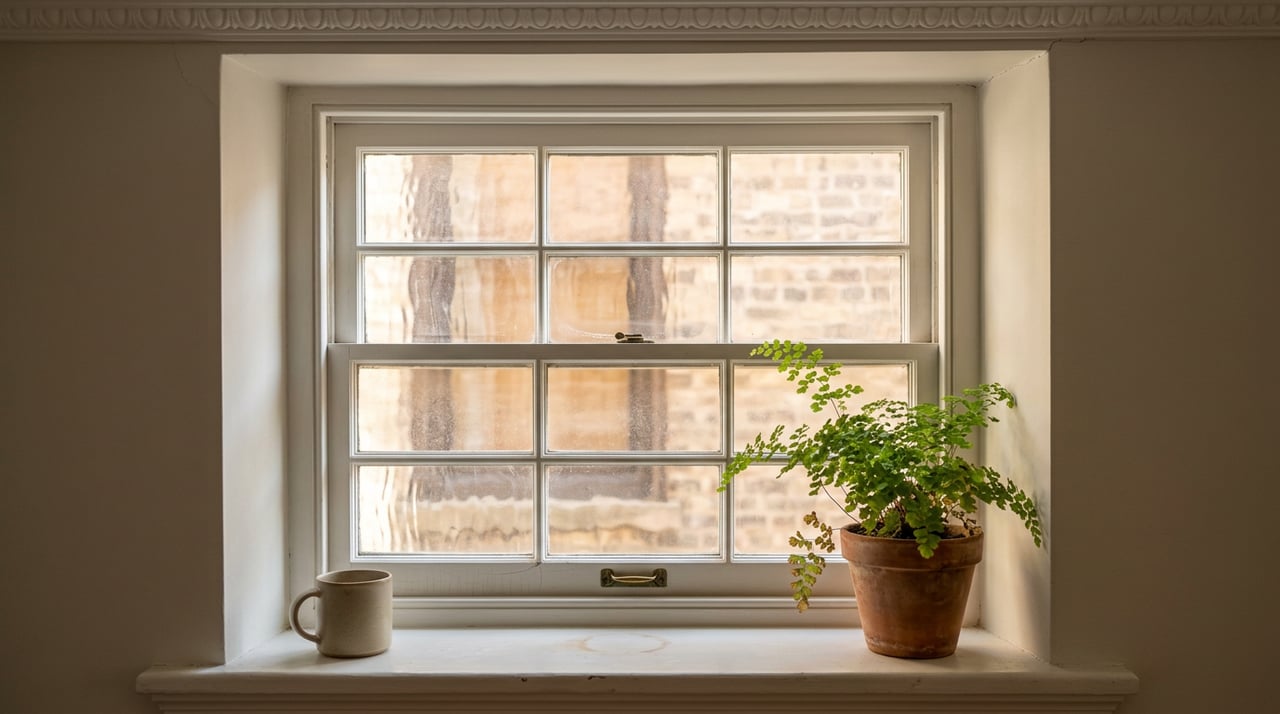
In the same way, window replacement is not always the first or best answer. Repair, weatherstripping, caulking, and storm windows can sometimes improve performance while preserving historic materials.
If you are deciding between a Capitol Hill condo and a rowhouse, the difference often comes down to control versus responsibility. A rowhouse usually gives you more autonomy over layout decisions, systems, and how you use the space.
At the same time, you are also taking on more direct responsibility for the roof, masonry, windows, drainage, and the historic envelope overall. For some buyers, that trade is well worth it. For others, a condo may feel like the better fit for their schedule, budget, or appetite for maintenance.
A well-prepared buyer does not just fall in love with the facade. You also want to understand what has been changed, what has been preserved, and what may need attention next.
Ask for:
These questions are especially useful in Capitol Hill, where many homes have been updated over decades rather than all at once.
In many Capitol Hill homes, the most practical renovation approach is easy to spot. The front rooms, stair hall, and overall plan remain largely intact, while kitchens, baths, basements, and other secondary spaces have been modernized.
That balance often gives you the best of both worlds. You keep the historic feel that makes the house distinctive, while gaining better daily function where it matters most.
Buying a Capitol Hill rowhouse is not just about square footage or finishes. It is about understanding how an older home was built, how it has evolved, and what kind of stewardship it will need from you next.
When you know what to expect from the layout, the age of the housing stock, and the realities of renovation and upkeep, you can shop with more confidence. And if you want a clear read on which houses have been thoughtfully updated and which ones may bring more risk, local experience makes a real difference.
If you are considering a Capitol Hill rowhouse and want practical, neighborhood-specific guidance, Donald Denton can help you evaluate your options with the perspective that comes from decades in the local market.

Discover a real estate experience defined by trust, expertise, and heartfelt dedication. Donald's lifelong understanding of what “home” truly means guides every client and every decision.