Parks, Playgrounds, And Green Corners Around Capitol Hill
June 18, 2026
June 18, 2026
If you picture Capitol Hill as a dense city neighborhood with only a few major parks, you might miss what makes it so livable day to day. The real story here is not one giant green space, but a web of parks, playgrounds, medians, and tree-lined squares that show up right along your regular routine. If you are thinking about buying, renting, or simply getting to know the neighborhood better, these outdoor spaces can tell you a lot about how life on Capitol Hill actually feels. Let’s take a closer look.
Capitol Hill’s outdoor layout is unusually fine-grained. According to the National Park Service, the Capitol Hill park system includes larger parks like Lincoln, Stanton, Marion, and Folger, along with Seward Square, Twining Square, the Maryland Avenue Triangles, the Pennsylvania Avenue Medians, and dozens of smaller inner-city triangles and squares.
That matters because the neighborhood’s greenery is spread across everyday walking routes instead of being centered in one destination park. In practical terms, you are more likely to pass a shaded bench, small lawn, or play stop on your way to coffee, Metro, or dinner than plan your whole day around a single big park.
The National Park Service lists the Capitol Hill park system at 38.45 acres. Many of these spaces also trace back to L’Enfant’s 1791 plan, which helps explain why the neighborhood still feels so connected to its original street pattern and public spaces.
Lincoln Park is the largest of the Capitol Hill Parks and one of the oldest public parks in Washington, DC. It is part of the original 1791 city plan and remains one of the neighborhood’s most recognizable green spaces.
The park features monuments to Abraham Lincoln and Mary McLeod Bethune. It also carries important local history, since the Bethune memorial was the first statue of a woman and the first statue of an African American on public park land in the District.
For daily life, Lincoln Park offers something simple but valuable: room to breathe. It is one of the larger spaces where you can stretch out a walk, meet friends, or enjoy a bigger sense of openness than you might expect in a rowhouse neighborhood.
Stanton Park is about 4.6 acres and gives you a classic Capitol Hill park experience. The National Park Service describes it as one of the larger Capitol Hill parks, with a playground, benches, formal walkways, flower beds, and the Nathanael Greene statue at its center.
This is the kind of park that blends the formal and the practical. You have enough structure for a pleasant stroll and enough seating and open space to make it useful for a quick break, a playground stop, or a regular neighborhood loop.
For buyers comparing blocks on Capitol Hill, spaces like Stanton Park often shape how a street feels. Being near a park does not just mean access to greenery. It can also mean a more comfortable rhythm for walking, meeting up, and spending time outdoors close to home.
Marion Park is smaller at roughly 1.5 acres, but that is part of its appeal. The National Park Service highlights its playground, ornamental trees, and easy strolling character.
Instead of functioning as a major destination, Marion Park works especially well as a neighborhood stop. If you have young children, want a shorter walk, or simply value small green breaks built into the day, this kind of park can be more useful than a much larger space farther away.
That is one of the best ways to understand Capitol Hill. Convenience often comes in small, repeated moments. A nearby playground or shady path can matter just as much as a headline park when you are choosing where to live.
Folger Park is about 2 acres and is considered one of the larger Capitol Hill park areas. Right now, though, its current status is an important part of the story.
According to the National Park Service, Folger Park is closed for rehabilitation through June 30, 2026. The work includes walkways, the historic flagstone plaza, benches, and vegetation restoration.
If you are evaluating nearby homes, this is a good reminder to check the current status of any park you see mentioned in listings or neighborhood guides. On Capitol Hill, outdoor space is a real asset, but the details can change while a site is being improved.
Watkins Recreation Center serves as a broader recreation anchor in central Capitol Hill. The District says the site includes a youth-sized outdoor pool, turf field, street skate rink, outdoor basketball courts, and an outdoor playground.
That wider range of amenities makes Watkins a little different from the neighborhood squares and historic parks. It supports more active recreation and gives residents another layer of outdoor use beyond passive green space.
Its District page currently lists it as closed until further notice, so it is smart to confirm current access before relying on it as part of your regular routine. Still, its presence helps show how Capitol Hill combines historic parkland with more modern recreation facilities.
Some of Capitol Hill’s most memorable outdoor spaces are not the largest ones. Seward Square includes benches among tall trees and landscaped areas, while Twining Square, the Maryland Avenue Triangles, and the Pennsylvania Avenue Medians are all part of the same broader park system.
These smaller spaces help the neighborhood feel green in motion. They support short walks, stroller routes, and leashed dog loops without requiring a long trip to a major park.
For many residents, that is the real luxury of Capitol Hill. You are not waiting for the weekend to enjoy the outdoors. Greenery is woven into the route between home, errands, transit, and daily life.
Eastern Market Metro Park shows a newer side of open space on Capitol Hill. The District says the project grew from a community-led master park plan and was designed to create a safe and thriving town square for multigenerational social activity.
The first phase added a playground, splash pad, recreation lawn, nature area, bioretention space, and pedestrian improvements. District information also notes that the plaza is used for music events and cultural activities.
That mix gives the park a different role than a traditional square. It feels less like a passive patch of green and more like an outdoor community room, where recreation, gathering, and neighborhood events all overlap.
If you are home shopping on Capitol Hill, the park network can help you think beyond square footage alone. Outdoor access here is not usually about living beside one vast park. It is about being close to a pattern of useful green spaces that support walking, play, transit, and everyday routines.
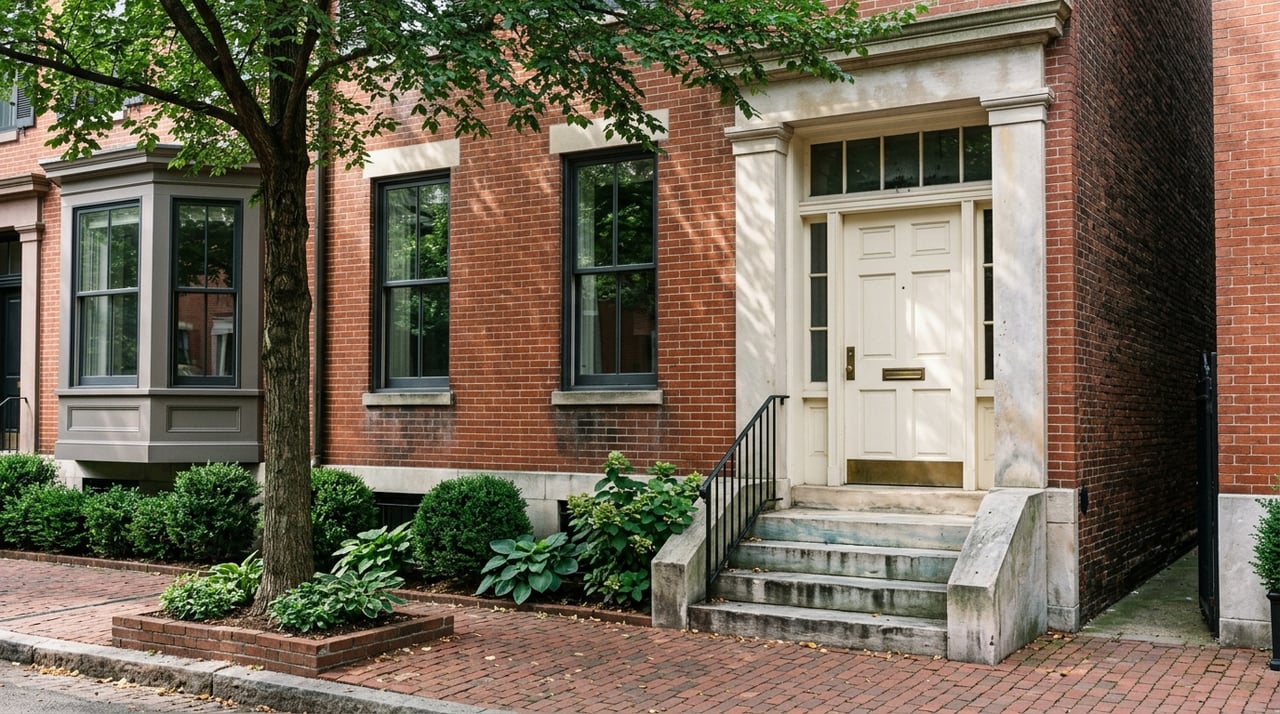
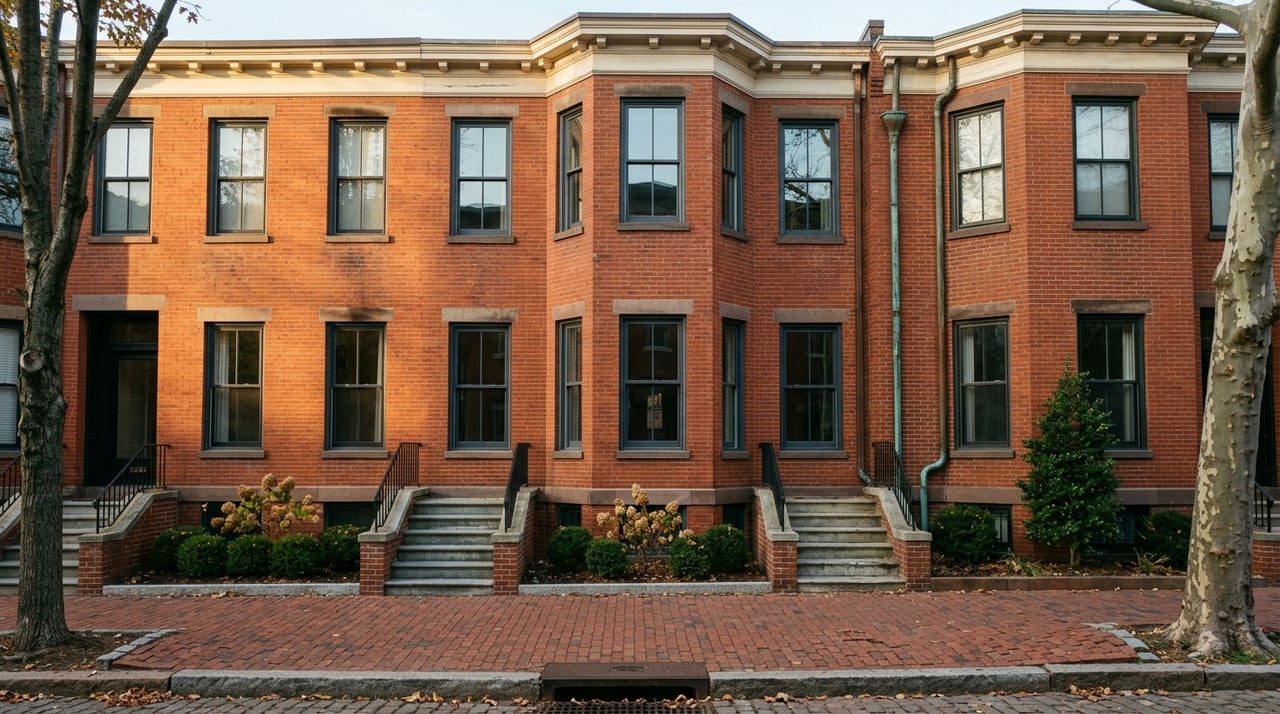
The Capitol Hill Historic District was designated locally in 1973 and listed on the National Register in 1976, with a period of significance from 1791 to 1945. District materials describe late-19th-century red brick houses on pedestrian-filled streets, while local preservation materials note a mix that includes ornamental brick structures, simpler frame buildings, and small apartment houses.
For many buyers, that means the homes closest to these parks are often historic rowhouses and townhomes, with some smaller apartment buildings near commercial edges rather than a high-rise setting. If neighborhood feel is high on your list, the location of these parks and squares can be just as important as the home itself.
Capitol Hill’s green spaces are best understood as leash-walk spaces. The National Park Service says pets in Capitol Hill Parks must be on leash, and District dog park rules state that off-leash activity is limited to designated dog parks.
That distinction matters if you are moving from an area with large fenced dog runs. On Capitol Hill, the benefit is more about frequent, convenient walking routes than one oversized off-leash field.
For many pet owners, that still works well. A neighborhood with multiple shaded loops and small greens can make daily walks easier, even without a major dedicated dog space nearby.
Parks do more than add visual appeal. They shape how a neighborhood functions, how often you walk, where you pause, and how connected you feel to the blocks around you.
On Capitol Hill, that effect is especially strong because the open spaces are so closely tied to the street grid and housing pattern. The result is a neighborhood where historic homes, smaller-scale buildings, and public green spaces all work together in a very human way.
If you are weighing Capitol Hill against other DC neighborhoods, this is one of the details worth noticing in person. The parks here are not only amenities on a map. They are part of the neighborhood’s everyday rhythm.
If you want help finding the right block, understanding how outdoor access connects to home value, or comparing Capitol Hill housing options, Donald Denton brings decades of neighborhood knowledge and a practical local perspective.


Discover a real estate experience defined by trust, expertise, and heartfelt dedication. Donald's lifelong understanding of what “home” truly means guides every client and every decision.