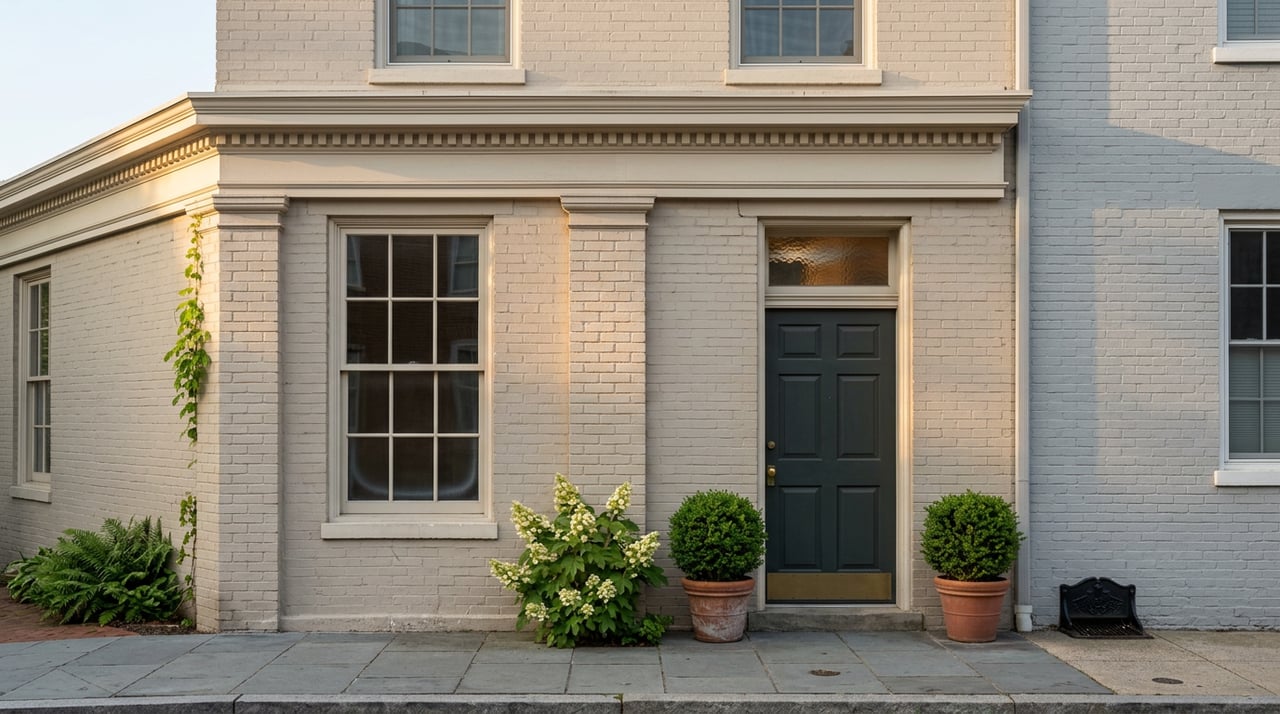
Mott's Market Returns to Capitol Hill for Summer 2026
July 16, 2026
July 16, 2026
The little brick building at 232 12th Street SE has been quiet for so long that walking past it on a June evening and finding the door propped open feels like a small trick of memory. It is not. On Tuesday, June 23, 2026, Mott's Market reopened with a complete transformation of the interior, now featuring a polished wood bar, exposed brick and iron shelves of staples. If you live within a few blocks, you already know. If you live on the other side of Lincoln Park, this is the update.
The easy version of this story is that a beloved corner store came back. That version misses what actually happened here. Ninety neighbors put their names on a deed, held the building through a three-year buildout, and turned the reopening of a 1916 grocery into a piece of neighborhood infrastructure they now collectively own. The sandwiches are good. The governance is the point.
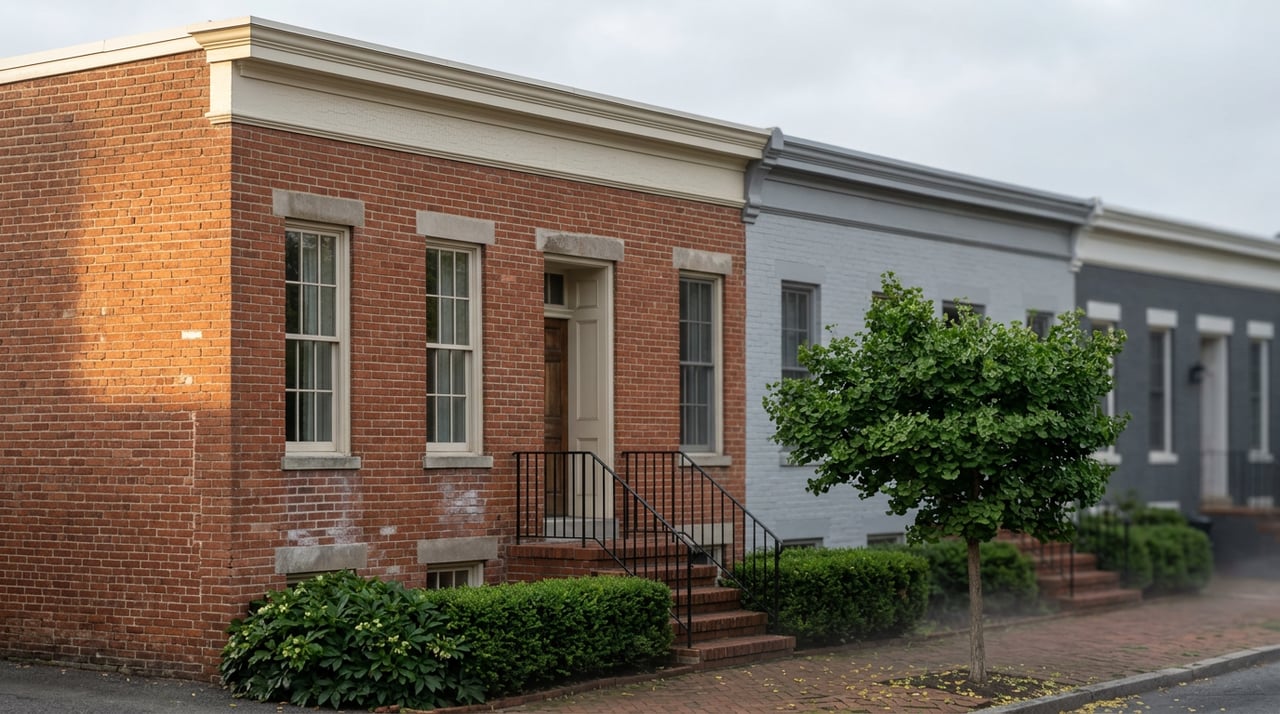
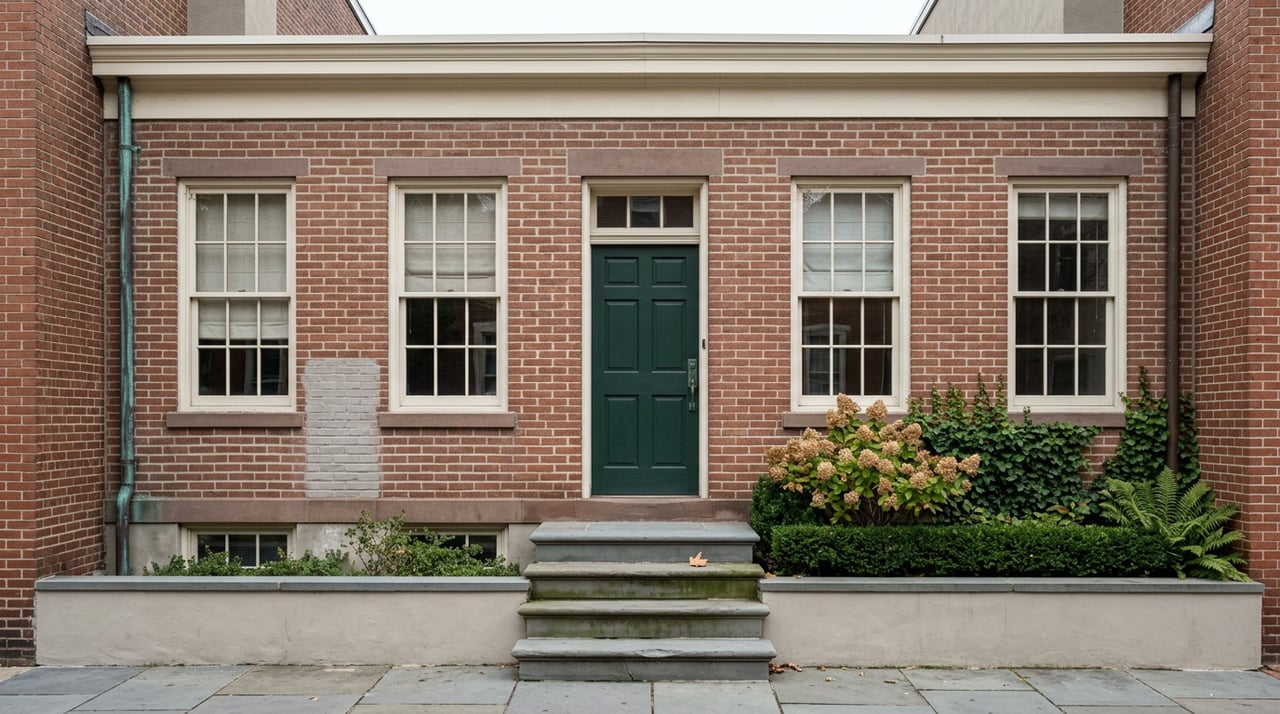
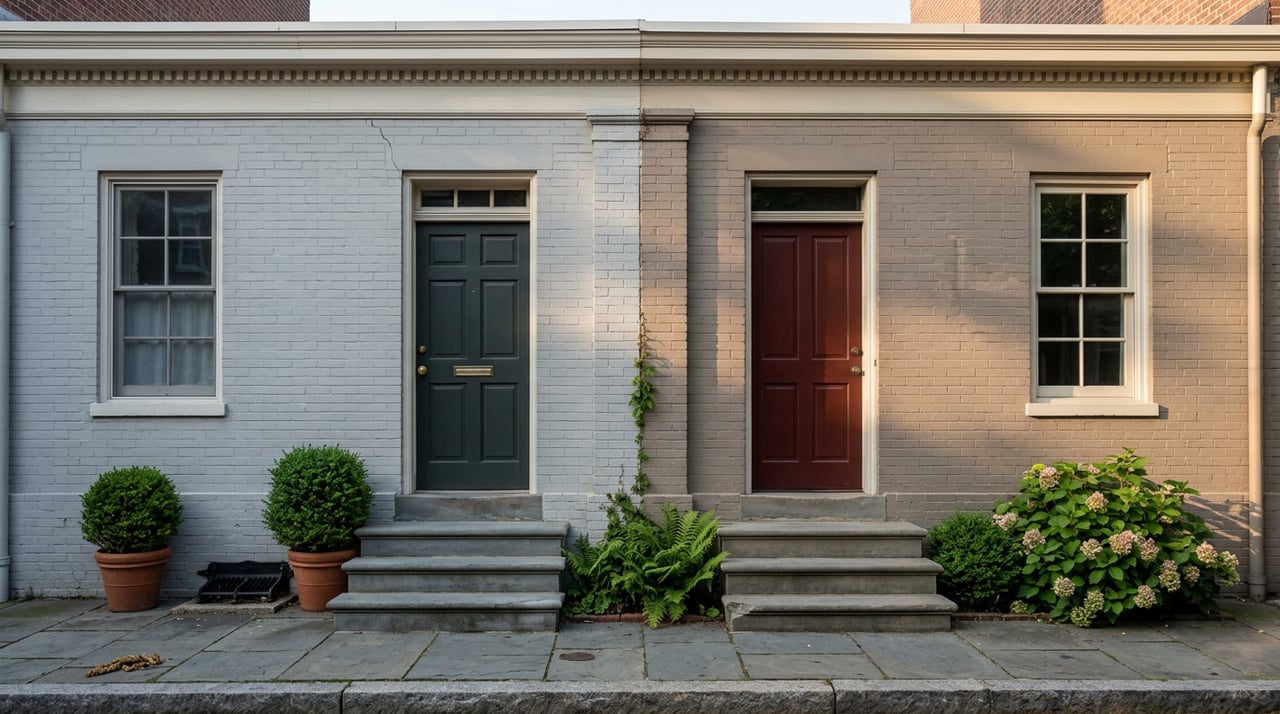
The brick building on 12th and Walter streets in Southeast was built in 1916 as a small grocery store. It changed hands over the years and officially became Mott's Market in the 1960s. The store closed in 2022. The specific date matters to people who lived through it: Mott's operated as a corner store from 1916 until March 4, 2022, when operators Ki and Roy Cho closed the business. The building went up for sale. A developer bought a foothold. And a block that had oriented its errands, its after-school snacks, and its snowstorm supply runs around the shop suddenly had a hole in it.
That hole is the reason the reopening drew a crowd on a Tuesday morning at eight. Corner stores on the Hill do not come back on their own.
The rescue was structural, not sentimental. When the fate of the historic market was in jeopardy, 80 neighbors rallied to save Mott's Market by buying the beloved corner store back from developers for $1.3 million. The vehicle was Mott's Neighborhood Market LLC, with Michael Skinner as president and Christine Campbell as vice president. The market is owned by an LLC comprised of 90 community members. A later push, the "buy a brick" campaign, sold $500 bricks to close a $100,000 gap on the patio and finishing work.
Then came the operator search. "I've always wanted to do a neighborhood market," said local businessman Peyton Sherwood. "I was scrolling through a website called LoopNet and just looking to see what was available in the city when I happened across the market." Sherwood's résumé is the reason the LLC picked him: he briefly left the industry for a six-year stint in graphic design and advertising as an art director, then returned to help launch Kangaroo Boxing Club with the Pork Truck/PRC crew, and went on to partnerships that opened Midlands Beer Garden and St. Vincent Wine.
The permitting timeline was not gentle. Sherwood frames it less as an anomaly and more as the kind of patience game that comes with opening anything substantial in DC. As a small operator navigating the city's slow, back-and-forth permitting and tackling big-ticket work like cutting open 12th Street for a new water line to support Mott's sprinkler system, he leaned on what he calls deep reserves of patience to ride out a three-year timeline that left neighbors with even more anticipation.
"This was one of those ideas that never should've worked. You should never be able to get dozens of people together pointing in the same direction who are willing to give up their time and the resources to make this happen." — Michael Skinner, LLC president
The interior is where Sherwood's design instincts show up. He wanted it to look, as he put it, like it had always been there. It mostly does, with a few winks:
Hours matter here more than they do at a restaurant, because a corner store is a utility. Mott's Market is open Tuesday through Saturday, 8am to 8pm; Sunday, 8am to 3pm, closed Monday. Sherwood has been explicit about the shape he wants: "It's going to be a real 8 a.m. to 8 p.m., every day. A community space where you can come get breakfast and lunch and hangout every day."
There is a version of this project that would have opened as a wine bar with a small pantry section for atmosphere. Sherwood pushed the other direction. The pantry is real. The wine and beer sit alongside charcoal and toilet paper, not in place of them. The economics of that choice are worth naming. As Skinner explained the model, "Because we'll have a coffee bar, because we'll have a sandwich bar, because we'll have wine and beer, we can keep the market items affordable for neighbors to buy." The prepared food is what funds the boring inventory. Without the sandwich counter, a shelf of paper towels does not pencil out on 12th Street SE. With it, it does.
Sherwood is also candid that he treats the space as an object, not just a business. "I always say that these projects aren't just opening up a business, they're actually art projects first, you know, they're art projects that people need to go in and experience, and hopefully enjoy themselves." The train around the crown moulding is not a gag. It is a statement about what a corner store is allowed to be on a residential block in 2026.
Zoom out from 12th and Walter and the pattern becomes clearer. Capitol Hill has been shedding its independent corner markets for a decade. The Mott's LLC put it plainly in their own materials: the corner market represents a way of life that is disappearing on Capitol Hill, and they had lost many similar markets in the past decade.
That loss has civic weight, and the political class on the Hill has said so. At the 2023 Winter Wonderland event that previewed the buildout, former Ward 6 Councilmember and recently retired District official Tommy Wells said, "In a livable, walkable neighborhood, you need a corner store." Current Ward 6 CM Charles Allen has been in the space at multiple milestones. This is not incidental support. Walkability on the Hill is a real estate feature that only functions if the walk actually gets you somewhere useful at 7:30 on a Sunday morning.
What is quietly interesting about the Mott's structure is that it is now a template. A block-level LLC, roughly $1.3 million in shared capital, an operator agreement, a purpose-built lease that keeps the building affordable enough to house a low-margin business. If another century-old corner store on the Hill lands on LoopNet next year, there is now a playbook. That was not true in 2022.
The first-week rhythm has been what the LLC hoped for. Neighbors stopping in on the way to Eastern Market Metro. Coffee counter regulars already forming. The back patio filling by mid-morning with people who did not plan to spend forty-five minutes there. A block that used to have a quiet corner has a busy one again.
For anyone who has lived on the Hill long enough to remember the Chos behind the counter, the reopening lands with a specific weight. For anyone newer, it is a chance to build a habit in a room designed to earn one. Either way, the walk over is short. Bring cash if you feel like it. Take the patio seat if it's open. Ask about the train.
Capitol Hill is a neighborhood where the small institutions do most of the work. Mott's is one of them again, and this time the block owns the building.
If you are thinking about a move on or off the Hill, or you just want a plainspoken read on how blocks like 12th and Walter are shaping value on this side of the Anacostia, Donald Denton has been watching Capitol Hill up close since 1978. Let's Connect.
Discover a real estate experience defined by trust, expertise, and heartfelt dedication. Donald's lifelong understanding of what “home” truly means guides every client and every decision.