
Condo Or Rowhouse On Capitol Hill? How To Choose Your Fit
July 2, 2026
July 2, 2026
Trying to choose between a condo and a rowhouse on Capitol Hill? You are not alone. For many buyers, this decision has less to do with what sounds better on paper and more to do with how you want to live day to day. If you are weighing budget, privacy, upkeep, and walkability, this guide will help you sort through the tradeoffs and find the fit that makes the most sense for your life on the Hill. Let’s dive in.
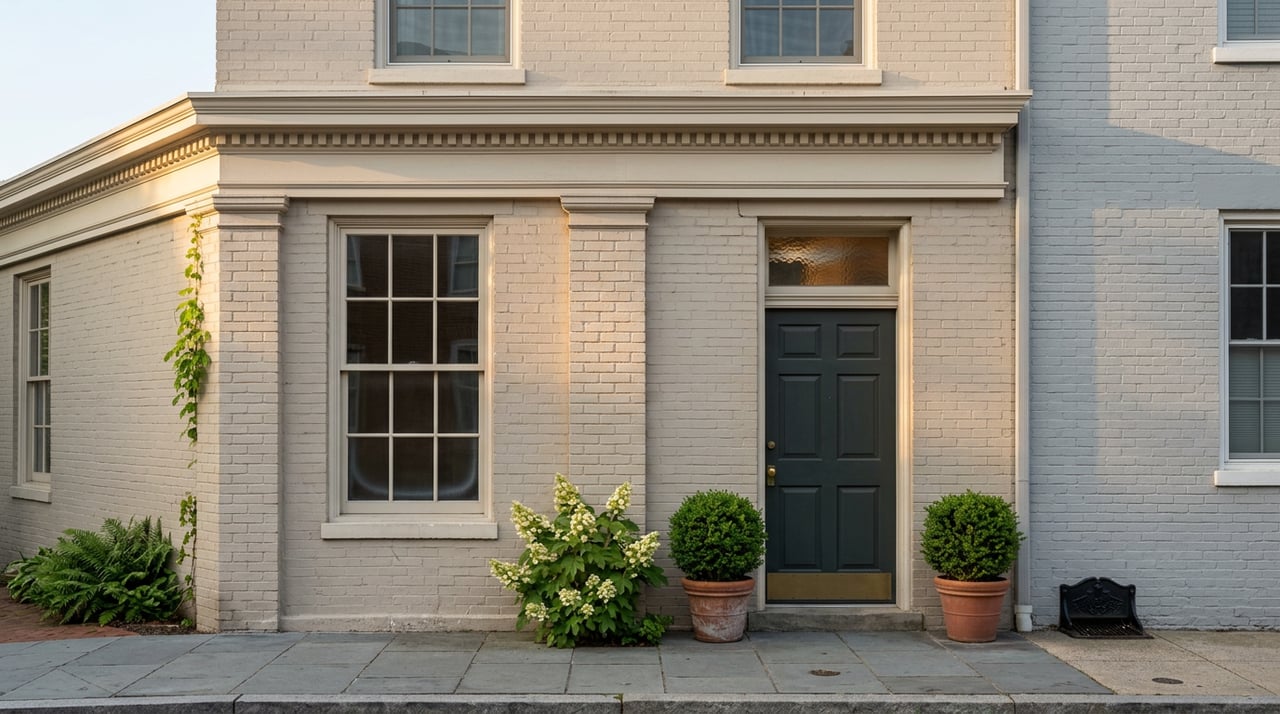
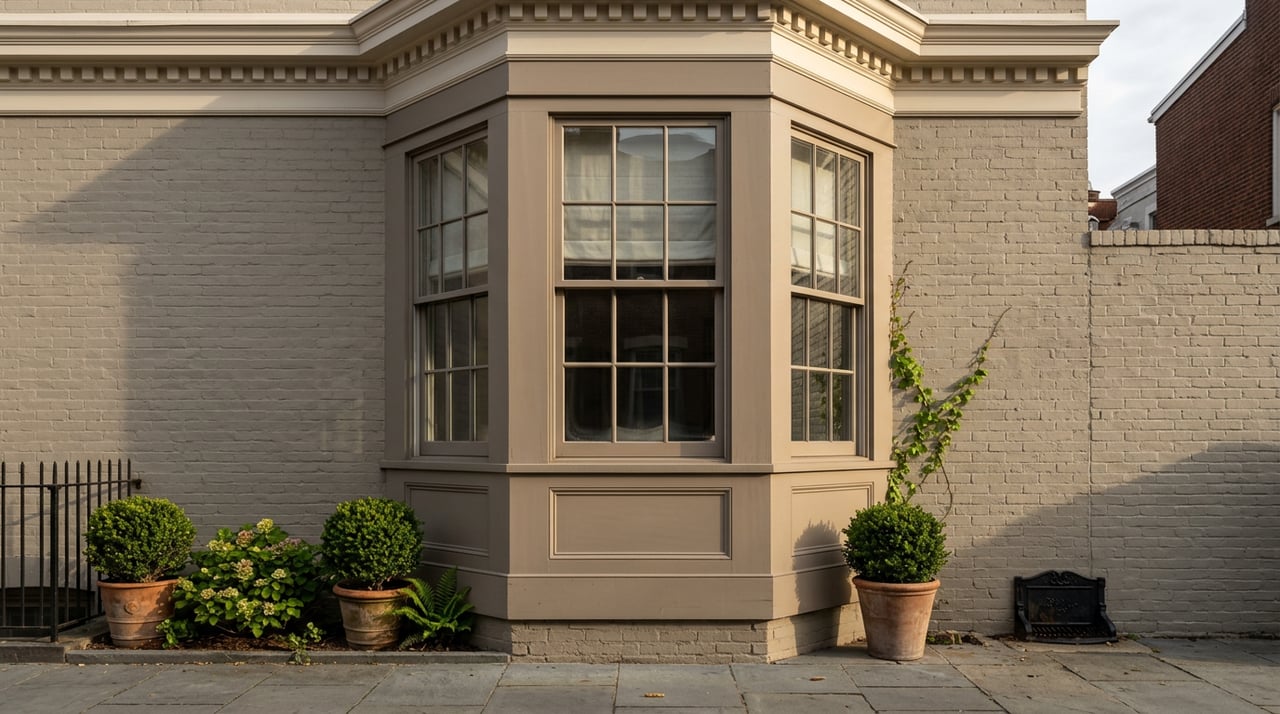
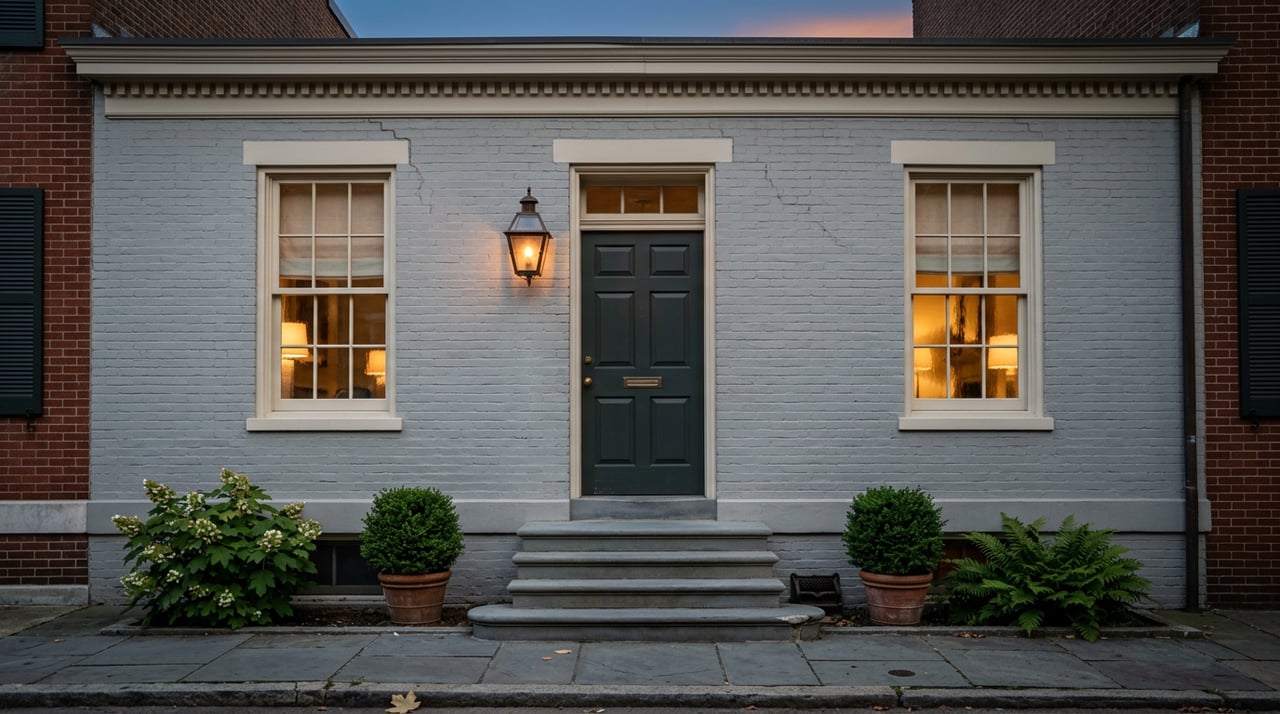
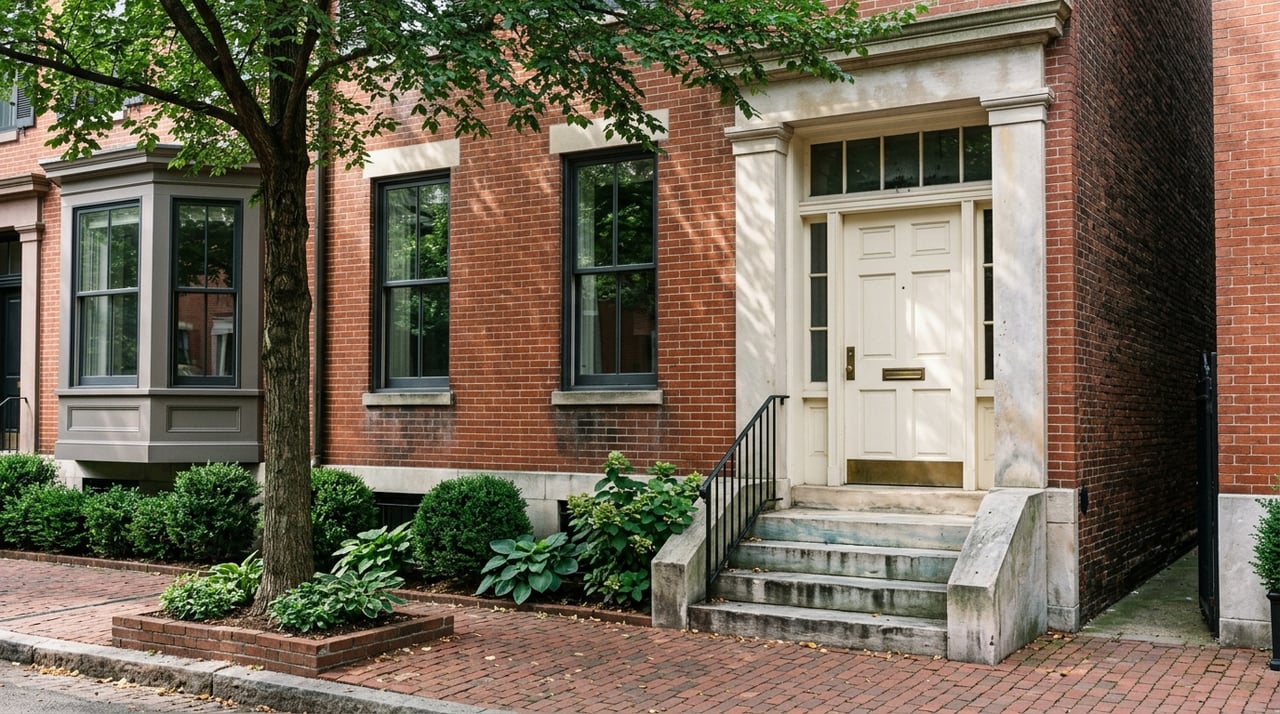
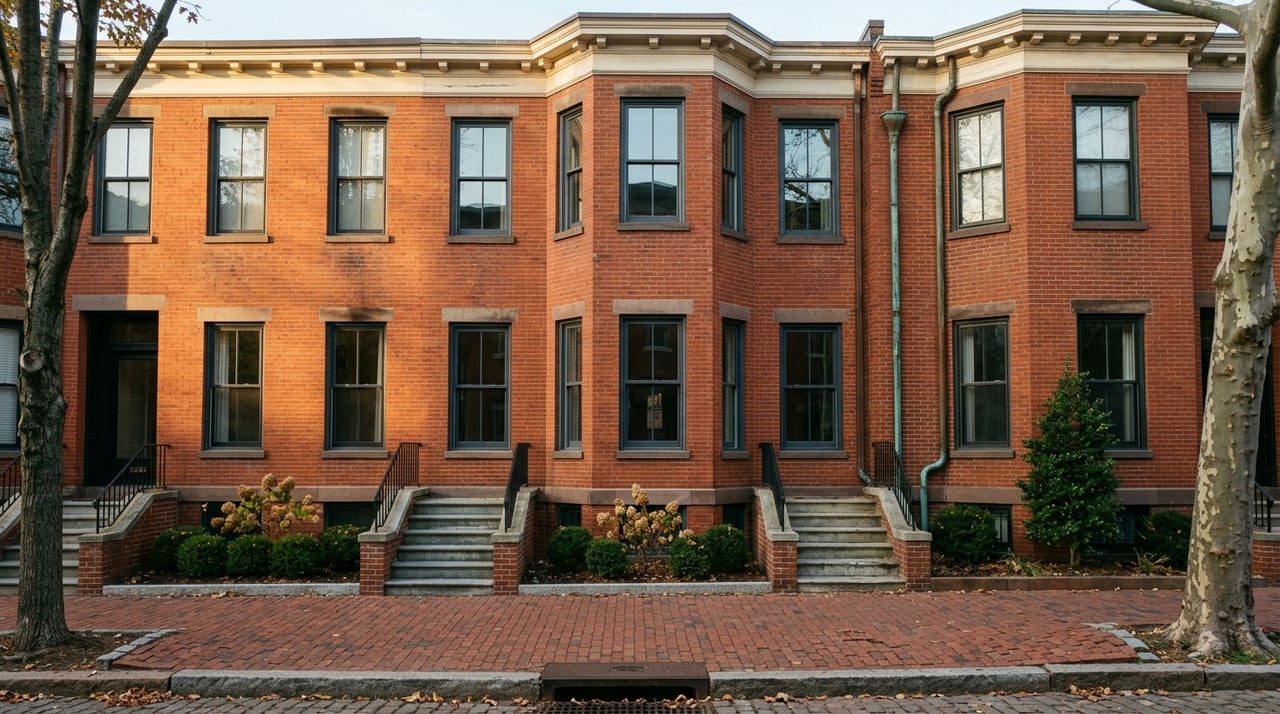
Capitol Hill has a housing mix and neighborhood pattern that make the condo-versus-rowhouse decision especially important. District planning materials describe the area as a largely rowhouse-based historic neighborhood with a strong identity, a low-scale urban feel, and higher-density infill along certain corridors such as H Street NE.
That means your housing choice is tied closely to the block you choose and the lifestyle you want. Capitol Hill is also highly walkable, with a Walk Score of 88, a Transit Score of 78, and a Bike Score of 92. In practical terms, you may be able to handle many errands and commutes without a car, whether you buy a condo or a rowhouse.
The current price difference between condos and rowhouses on Capitol Hill is hard to ignore. As of spring 2026, Redfin shows a median listing price of about $479K for condos and about $945K for townhouses in the neighborhood.
That gap alone shapes many buyers’ decisions. It often means a condo offers a lower entry point, while a rowhouse may require a larger upfront budget and higher ongoing repair planning. Market pace also differs, with condos taking a median 74 days on market compared with 47 days for townhouses.
A condo can offer a simpler ownership experience, but it comes with a structure you need to understand clearly. In DC, a condominium association has legal authority to budget for revenues, expenses, and reserves, collect assessments, and regulate common elements.
For you, that means monthly condo dues are not optional. They are part of the ownership model. The association may also use common expense funds for certain unit-related issues in some cases if a failure would threaten the building or residents.
Because so much depends on the association, condo due diligence matters. DC resale paperwork must include the recorded declaration and bylaws, along with a certificate that describes items such as reserve status and capital expenditures.
That is why you will want to look closely at:
A condo may feel lower-maintenance in daily life, but the financial health of the association affects your ownership experience in a big way.
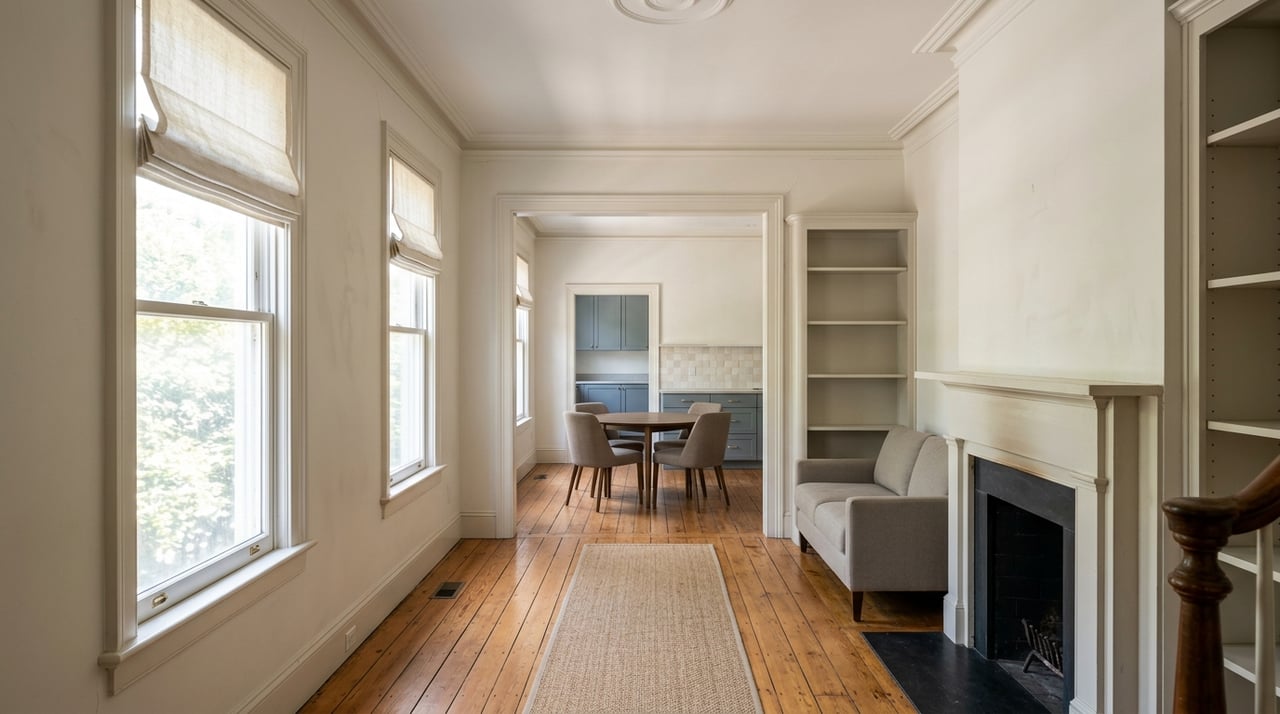
A rowhouse usually gives you more control, more privacy, and more direct responsibility. On Capitol Hill, that often means you are budgeting for the roof, exterior, major systems, and repairs yourself rather than pooling those costs through an association.
For many buyers, that independence is the main appeal. You have more say over your space and fewer shared decisions. At the same time, you take on more upkeep and more responsibility for planning future repairs.
This is one of the most important Capitol Hill-specific details. Because much of Capitol Hill sits within a historic district, exterior work on a rowhouse may be shaped by local preservation review.
Routine maintenance and some minor work may be exempt or approved administratively. Larger additions and exterior alterations can require review by the Historic Preservation Office or Historic Preservation Review Board. If you want to renovate or expand later, this should be part of your decision now.
If privacy is high on your list, a rowhouse often has the edge. You may have more separation from neighbors, more storage potential, and better access to private outdoor space or a roof deck.
Still, Capitol Hill has its own nuances. Historic district materials note that some broad avenue front yards are publicly owned but privately maintained open space. So even when a property appears to have generous yard space, it may not function like a fully private yard in the way you expect.
You may not need a large private yard to feel like you have breathing room. Capitol Hill Parks form a network of green spaces that includes Lincoln Park, Stanton Park, Marion Park, Folger Park, and smaller squares and triangles throughout the neighborhood.
For some buyers, that park pattern changes the equation. If easy access to green space meets your needs, a condo or a smaller rowhouse may make more sense than stretching your budget for more outdoor area you may use less often.
One of Capitol Hill’s biggest advantages is how practical daily life can be without a car. District planning materials point to the neighborhood’s strong transportation network, sidewalks, street trees, and walkable block pattern.
That matters because not every part of the Hill feels the same. Areas near Eastern Market, Barracks Row, and major commercial corridors often offer the shortest errand-and-commute loop, while interior residential blocks can feel quieter and more private.
Capitol Hill is not uniform, and your best match may depend as much on the block as the property type. WMATA station locations and planning documents show strong access around Capitol South, Eastern Market, and Potomac Avenue, especially in the southeast portion of the Hill.
If you want to maximize convenience, a condo near shops, dining, and transit may be the better fit. If you want a quieter residential feel with more room to spread out, a rowhouse on an interior block may feel more like home.
A condo may be right for you if you want a lower entry point and less day-to-day responsibility. It can also be a strong choice if you value location first and want to stay close to Capitol Hill’s most walkable areas.
A condo often makes sense if you:
For first-time buyers, in-town professionals, and buyers who want flexibility, a condo can be a practical way to own in Capitol Hill without taking on the full cost and upkeep of a rowhouse.
A rowhouse may be the better fit if you want more control over your home and expect to stay long enough to make the higher carrying costs worthwhile. It can also be appealing if privacy, storage, and customization matter more to you than simplified upkeep.
A rowhouse often makes sense if you:
For many professional couples and young families, the rowhouse choice is less about status and more about how much autonomy they want in their living space.
If you are still torn, these questions usually bring clarity:
On Capitol Hill, this decision is rarely just about bedroom count. More often, it comes down to whether you want to buy convenience and predictability through a condo or space and control through a rowhouse.
There is no one-size-fits-all answer on Capitol Hill. A condo can be the smart move if you want a lower entry point, simpler upkeep, and a highly walkable lifestyle. A rowhouse can be the better move if you want more privacy, more control, and space that can evolve with you over time.
The key is to weigh the numbers and the daily lifestyle together. On Capitol Hill, the right choice is not just about the property. It is about how you want to live in the neighborhood, block by block, year by year.
If you want help sorting through Capitol Hill condos, rowhouses, or the tradeoffs between them, Donald Denton can help you look at the options with local perspective and practical guidance.


Discover a real estate experience defined by trust, expertise, and heartfelt dedication. Donald's lifelong understanding of what “home” truly means guides every client and every decision.