Capitol Hill Eastern Market Area Neighborhood Guide
June 11, 2026
June 11, 2026
If you want a Washington neighborhood with real daily rhythm, Eastern Market is hard to beat. You get a historic market hall, a walkable cluster of shops and restaurants, and direct Metro access, all within the broader fabric of Capitol Hill. For buyers, sellers, and anyone weighing a move, this area offers a useful mix of character and convenience. Let’s take a closer look.
Eastern Market is one of the places that helps define Capitol Hill. The market building was completed in 1873, designed by Adolf Cluss, and it has operated continuously since then. It is also designated a National Historic Landmark and is described by DC’s Department of General Services as Washington’s oldest continually operating public fresh food market.
That history is not just a nice detail. It shapes the feel of the neighborhood today, because Eastern Market still functions as an active community hub for fresh food, arts and crafts, and local events. The Capitol Hill BID notes that the area draws about 500,000 visitors a year, which speaks to its staying power as both a neighborhood center and a citywide destination.
Living near Eastern Market means being close to a steady pattern of everyday activity. The indoor market is open Tuesday through Saturday from 8 a.m. to 6 p.m. and Sunday from 8 a.m. to 5 p.m. The outdoor market runs Saturday and Sunday from 9 a.m. to 4 p.m. and Tuesday from 12 p.m. to 4 p.m., with Monday closed.
That schedule matters because it gives the neighborhood a dependable weekly rhythm. On market days, you can expect farmers and producers alongside artists, crafters, fair trade vendors, and vintage sellers. According to Eastern Market’s farmers page, most produce sold there comes from rural counties in Maryland, Pennsylvania, Virginia, and West Virginia.
For many residents, that means errands can feel less like a chore and more like part of the neighborhood experience. Picking up groceries, stopping for coffee, and browsing local vendors can all happen within a compact area. That kind of routine is a big part of the appeal.
Eastern Market is not only about the market hall itself. Just south and west, Barracks Row adds another layer of daily convenience and neighborhood energy. The Capitol Hill BID describes Barracks Row as the city’s oldest commercial corridor, with more than 30 local and national restaurant choices, plus retailers and neighborhood services.
Examples in the BID’s Eastern Market dining directory include Bullfrog Bagels, Peregrine Espresso, Le Pain Quotidien, Tunnicliff’s Tavern, Mr. Henry’s Restaurant, Rose’s Luxury, The Duck & The Peach, La Collina, and Café 8. That variety gives you options for casual mornings, weeknight dinners, and meeting friends close to home.
Day-to-day errands are also straightforward in this part of Capitol Hill. The Capitol Hill BID lists Trader Joe’s, CVS Pharmacy, Sephora, East City Bookshop, Labyrinth Games & Puzzles, and Hill’s Kitchen within a short walk of Eastern Market Metro Park. In practical terms, that means many essentials and small pleasures are clustered together in one highly convenient area.
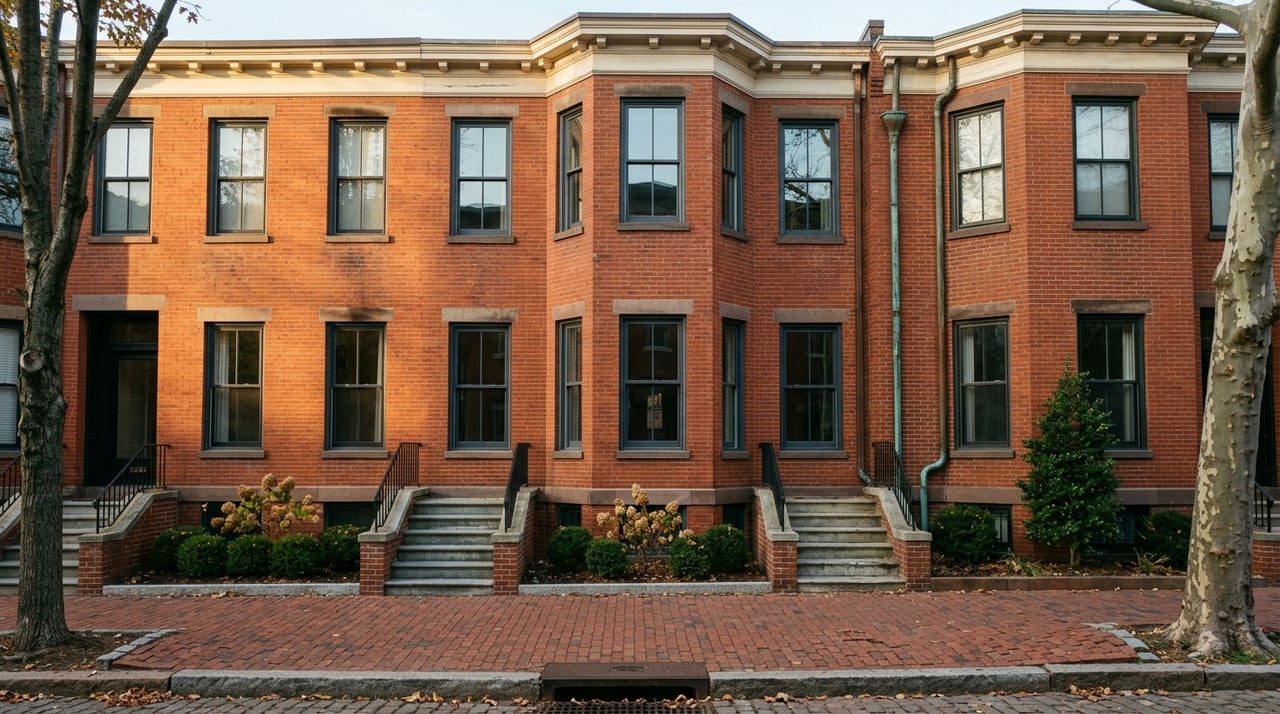
If you picture classic Capitol Hill housing stock, you are largely picturing the streets around Eastern Market. The National Park Service says Capitol Hill is largely residential, and the Capitol Hill Historic District is one of the largest historic districts in the United States. A DC Historic Preservation Review Board report describes the district as containing roughly 8,000 contributing buildings.
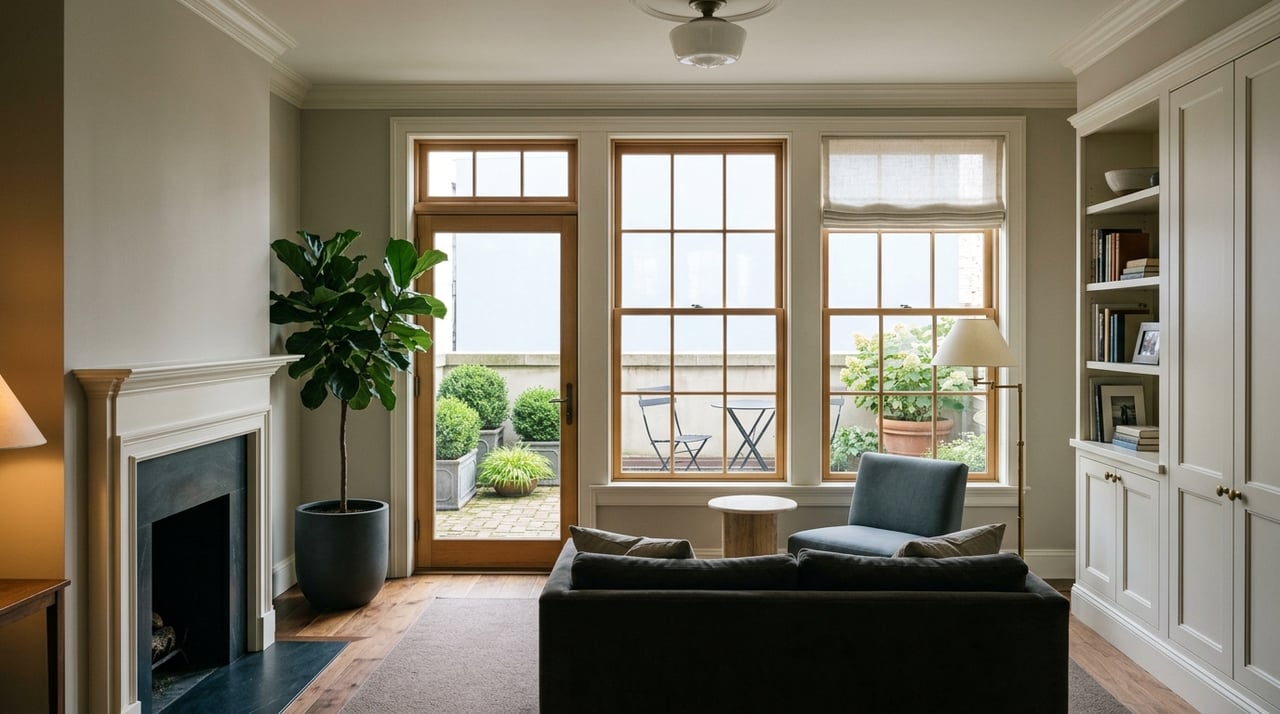
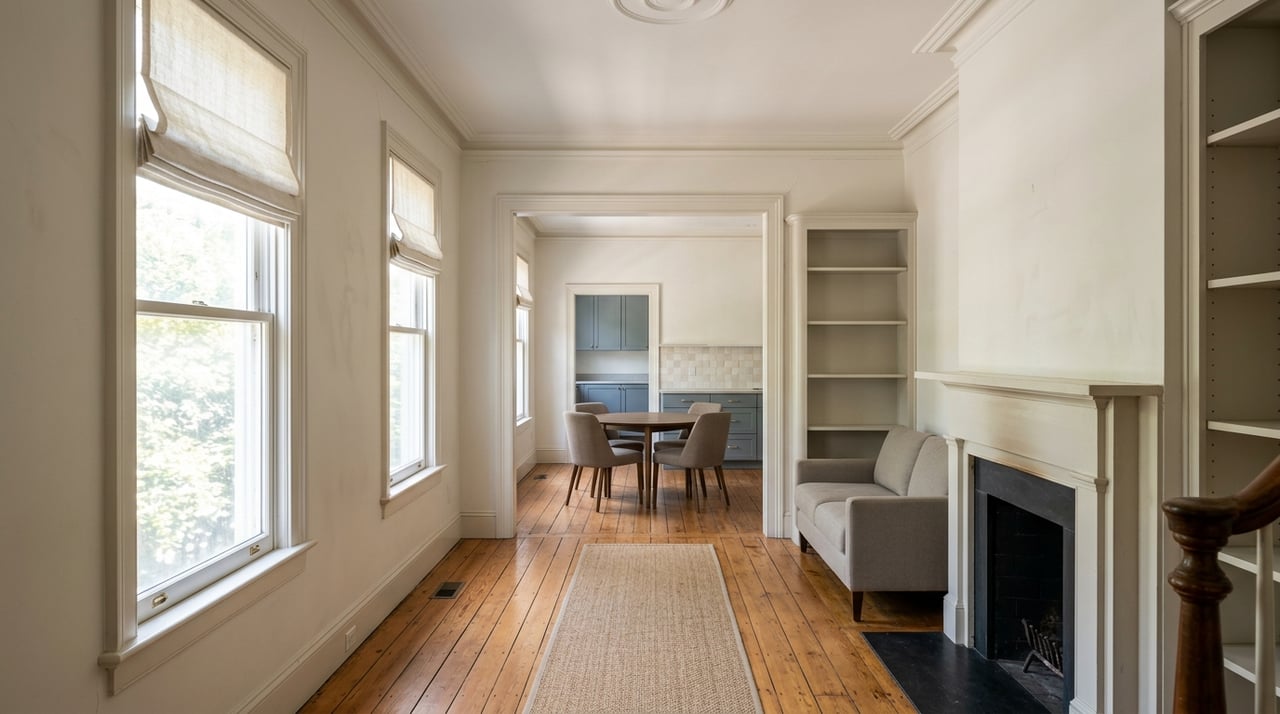
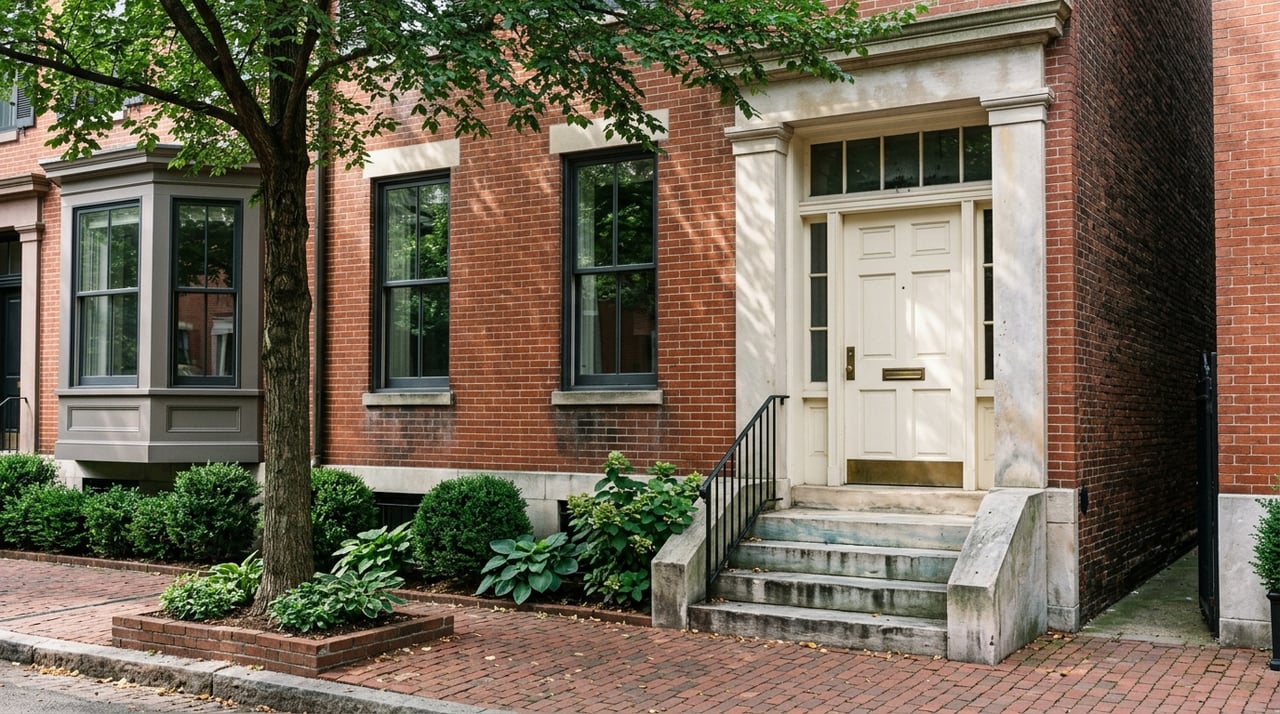
For most buyers, the headline is simple: historic brick rowhouses dominate the area. The same preservation report notes that the neighborhood’s building stock is largely made up of late-19th- and early-20th-century rowhouses. That gives the area its familiar rhythm of brick facades, stoops, cornices, and closely knit residential blocks.
Still, the housing mix is not limited to attached homes. Small-to-midrise apartment buildings are interspersed among the rowhouses, especially closer to denser commercial edges. If you are deciding between a rowhouse and a lower-maintenance condo or apartment-style home, that wider mix can make the Eastern Market area appealing.
If you are buying near Eastern Market, it helps to think clearly about tradeoffs. A historic rowhouse may offer more space, more architectural detail, and a classic Capitol Hill streetscape. At the same time, an apartment or condo may offer a simpler maintenance profile and a more accessible entry point into the neighborhood.
Your decision often comes down to how you want to live day to day. Some buyers prioritize outdoor space and room to grow. Others want to be close to Metro, restaurants, and the market itself with as little upkeep as possible.
If you own a home near Eastern Market, location is a major part of your property story. Buyers are often drawn to this area because of the market, the walkable retail core, the historic setting, and the transit access. A thoughtful listing strategy should reflect how those elements shape daily life, not just square footage and finishes.
Homes in historic neighborhoods also benefit from local context. Buyers usually respond well when a home is presented with a clear understanding of the block, nearby amenities, and the character of the surrounding housing stock. That is especially true in a place as established and recognizable as Eastern Market.
One of Eastern Market’s biggest practical advantages is transit. WMATA lists Eastern Market as a Blue, Orange, and Silver line station, giving the area direct rail access to other parts of DC and the wider region. For many residents, that makes commuting and citywide travel simpler without giving up the feel of a neighborhood-centered home base.
The surrounding street grid and concentration of nearby amenities also support a more pedestrian-oriented lifestyle. You can often combine transit, errands, dining, and shopping in one outing. That is part of what makes this micro-neighborhood function so well.
The public realm around Eastern Market continues to matter to residents. The Capitol Hill BID describes the Eastern Market Metro Park project as a community-led effort to create a safe, thriving public space that supports multigenerational activity, improves park connectivity, and increases multimodal transit access.
That focus on public space adds another practical layer to living nearby. It supports the idea that Eastern Market is not just a station stop or shopping node. It is a neighborhood center where transit, open space, and daily life meet.
Eastern Market works well for different kinds of buyers because it offers several priorities in one place. You can have historic housing, a recognizable neighborhood identity, useful retail, restaurant options, and direct Metro service without losing the residential character Capitol Hill is known for.
For some buyers, the draw is architectural character. For others, it is the ability to walk to coffee, groceries, and dinner. And for many, it is the balance between neighborhood feel and city access that can be hard to find elsewhere.
Eastern Market is best understood as one of Capitol Hill’s classic neighborhood centers. It combines a market hall with deep history, a dependable weekly vendor rhythm, a strong dining and retail cluster, and a largely preserved rowhouse setting. That combination gives the area a lived-in, connected feel that continues to attract both residents and visitors.
If you are thinking about buying, selling, or simply getting a better sense of where Eastern Market fits within Capitol Hill, local perspective matters. Working with someone who understands the housing stock, the block-by-block differences, and the daily reality of the neighborhood can help you make a more confident move. When you’re ready to talk through your options, connect with Donald Denton.


Discover a real estate experience defined by trust, expertise, and heartfelt dedication. Donald's lifelong understanding of what “home” truly means guides every client and every decision.