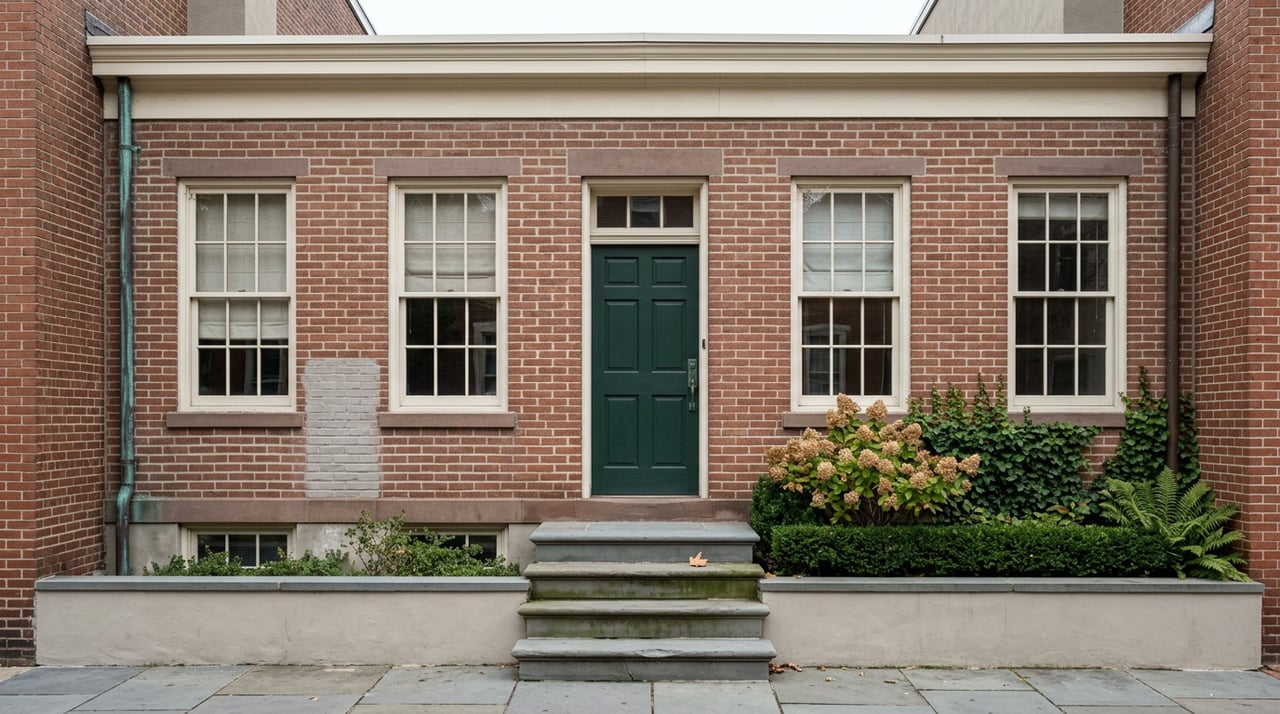
The Tax Clock Nobody Explains When You Inherit a Capitol Hill Rowhouse
August 20, 2026
August 20, 2026
A family finally clears out a parent's rowhouse near Lincoln Park. Probate is moving along, the will is filed, and everyone agrees the house should be sold rather than split three ways. So they do what feels responsible: they wait until the house is presentable, hire an agent, and put up a sign. An empty house can be subject to a different tax rate, and the DC Association of REALTORS says that, since last October, the exemption period for a single-family home listed for sale has been half as long as it used to be.
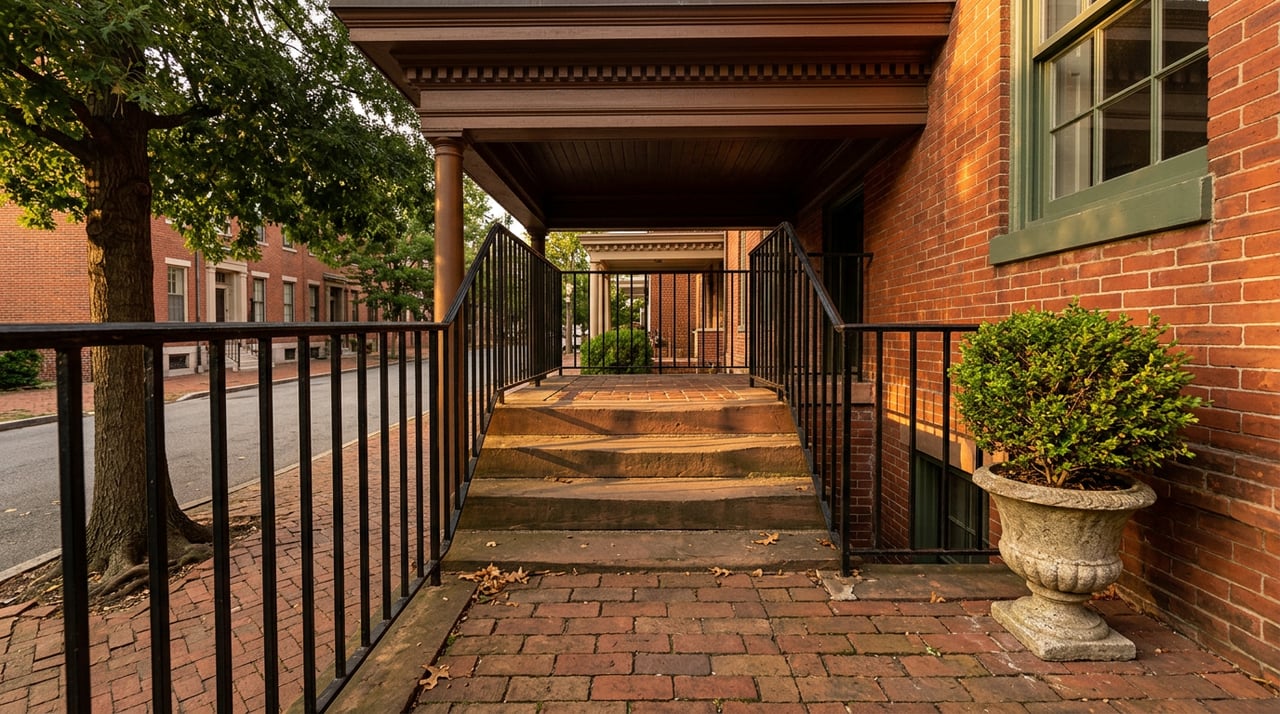
Capitol Hill's housing stock is old enough that this scenario repeats every year. Rowhouses built in the 1800s and early 1900s get passed down, and the people who inherit them often live somewhere else, work full time, and need months to sort out probate before a home is ready to show. That gap between "the owner is gone" and "the house is listed" is when families need to understand how the District classifies vacant property and pursue any available exemption, and the rules just changed in a way that shrinks the room families have to work with.
Washington taxes real property differently depending on how it's classified. The DC Office of Tax and Revenue lists the Class 1A rate for a normal owner-occupied residence as $0.85 per $100 of assessed value. Vacant property is Class 3, which the DC Office of Tax and Revenue taxes at $5.00 per $100. Blighted property, the classification for buildings that fail inspection or sit neglected, climbs to $10.00 per $100.
That is not a rounding difference. It is nearly six times the standard rate for vacant status alone.
On a Capitol Hill rowhouse assessed at $900,000, the gap between the Class 1A rate and the Class 3 vacant rate works out to about $37,350 in additional tax for a single year.
That figure comes straight from the District's own published rate schedule, not a worst case scenario. Assessed value is not the same number as a sale price, and the Office of Tax and Revenue sets it annually based on its own fair market value determination, but plenty of Capitol Hill properties carry assessed values in that range, which means the arithmetic above is a realistic stand-in for what a family could be looking at if a probate estate gets classified vacant for even part of a tax year.
The District has taxed vacant property at a punitive rate, and everyone who has sold a DC property that sat empty for a stretch has known that. What is new is how much runway sellers get before that higher rate applies, and that changed under the Vacant to Vibrant Amendment Act, DC Law 26-41, which took effect October 1, 2025.
Before this law, a single-family home that was actively listed for sale could claim a full tax year of exemption from the Class 3 rate. Under the current rule, that same listing exemption covers only half a tax year for single-family properties. Commercial and mixed-use properties still get up to two years, but a rowhouse being sold by an estate does not qualify for that longer window.
The law also treats a probate estate as its own separate exemption category, distinct from the listing exemption. A property tied up in an open probate case or active litigation can qualify for its own exemption, running up to three tax years from the date the probate proceeding was filed. That sounds generous, and for the period while the estate is legally open, it is.
Here is how the main categories break down under the current law:
| Situation | Exemption Category | Time Limit |
|---|---|---|
| Estate in open probate or litigation | Probate or litigation exemption | Up to 3 tax years from filing date |
| Home actively listed for sale, single-family | Active marketing exemption | Half a tax year |
| Home actively listed for sale, commercial or mixed-use | Active marketing exemption | Up to 2 tax years |
| Pending zoning, historic, or development approval | Development approval exemption | Up to 2 tax years |
| Active building permit under review | Permit exemption | Half a tax year |
None of these are automatic. The District's own guidance to REALTORS, issued through the DC Association of REALTORS in March 2026, is direct about this: if a seller's home is empty, the safe assumption is that it is legally vacant until proven otherwise, and a sign in the yard does not by itself qualify a property for anything. Every exemption category requires documentation filed with the Department of Buildings, whether that is proof of active marketing, a copy of the probate filing, a permit application, or utility records showing occupancy. The DC Office of Tax and Revenue still relies on the Department of Buildings to certify a property's status, and that certification does not happen just because a family believes their situation is exempt.
There is a version of 2026 where a softer Capitol Hill market would give estate sellers more breathing room. Prices are essentially flat where they were a year ago and buyers have more time to shop, which sounds like it favors patience. But the vacant property clock does not care about market conditions, and a slower market is exactly what turns a half-year exemption window into a tight one.
Capitol Hill homes sold in the three months ending May 2026 carried a median price of $925,000, up 2.8 percent from the same period a year earlier. That part of the market held up fine. What moved was speed. Homes in that same window took an average of 41 days to sell, up from 33 days the year before. Across the District as a whole, the three months ending June 2026 showed a citywide median of $700,000 with homes averaging 47 days on market, part of a broader shift toward more inventory and less urgency on the buyer side.
Forty-one days is well inside a six-month exemption window on its own. The problem is what comes before the listing goes live. An inherited rowhouse that needs foundation repair, updated electrical, or work that requires sign-off from the Historic Preservation Review Board because the property sits inside Capitol Hill's historic district does not start that six-month clock until it is actually marketed. Deferred maintenance is common in estate properties precisely because the person who owned the home may not have kept up repairs in their final years, and historic review timelines can add months before a listing photo is ever taken. Stack a few months of prep time against a slower 41-day average sale, plus any unexpected delay from a first offer falling through, and a half-year window gets tight fast.
A few practical steps make the difference between managing this clock and getting caught by it.
None of this replaces guidance from the estate's attorney, and tax questions specific to an individual estate belong with a CPA or tax advisor who can look at the full picture. But knowing the categories exist, and that they run on separate and shorter clocks than they used to, is the difference between planning around the rule and discovering it in a tax bill.
Does the exemption clock start when we file for probate, or when we actually list the house? They are two different clocks under two different categories. Probate has its own exemption running from the filing date, up to three tax years. Listing the home for sale starts a separate clock, and for single-family property that one only runs half a tax year.
What happens if the house doesn't sell before the six months are up? The Class 3 rate can resume unless the family qualifies for a different exemption category in the meantime, such as an active building permit or a pending historic preservation approval. This is not automatic either. It requires documentation submitted to the Department of Buildings.
Does the higher rate apply the day someone moves out, or only after some grace period? The District doesn't work on a fixed day count that everyone can rely on. Classification typically follows a complaint, a routine inspection sweep, or a flag from utility data showing the property is unoccupied. The safer approach is to register the vacancy and pursue the right exemption early rather than assume there's a window before anyone notices.
Capitol Hill's rowhouses carry generations of family history, and settling an estate here almost always means navigating probate, repairs, and a historic district review calendar all at once. Understanding where the District's vacant property tax clock actually starts, and how much shorter it runs than it used to, is one less surprise in a process that already has enough of them.
If you're working through an inherited Capitol Hill property, whether it's still in probate or ready for the market, Donald Denton has spent more than four decades in this neighborhood and understands both the historic housing stock and the practical steps that keep a sale on schedule. Let's Connect.
This article is general information, not legal, tax or financial advice. Consult a qualified professional about your situation.
Discover a real estate experience defined by trust, expertise, and heartfelt dedication. Donald's lifelong understanding of what “home” truly means guides every client and every decision.