Why the Capitol Hill Art Walk Never Needed a Street Closure to Get This Big
September 10, 2026
September 10, 2026
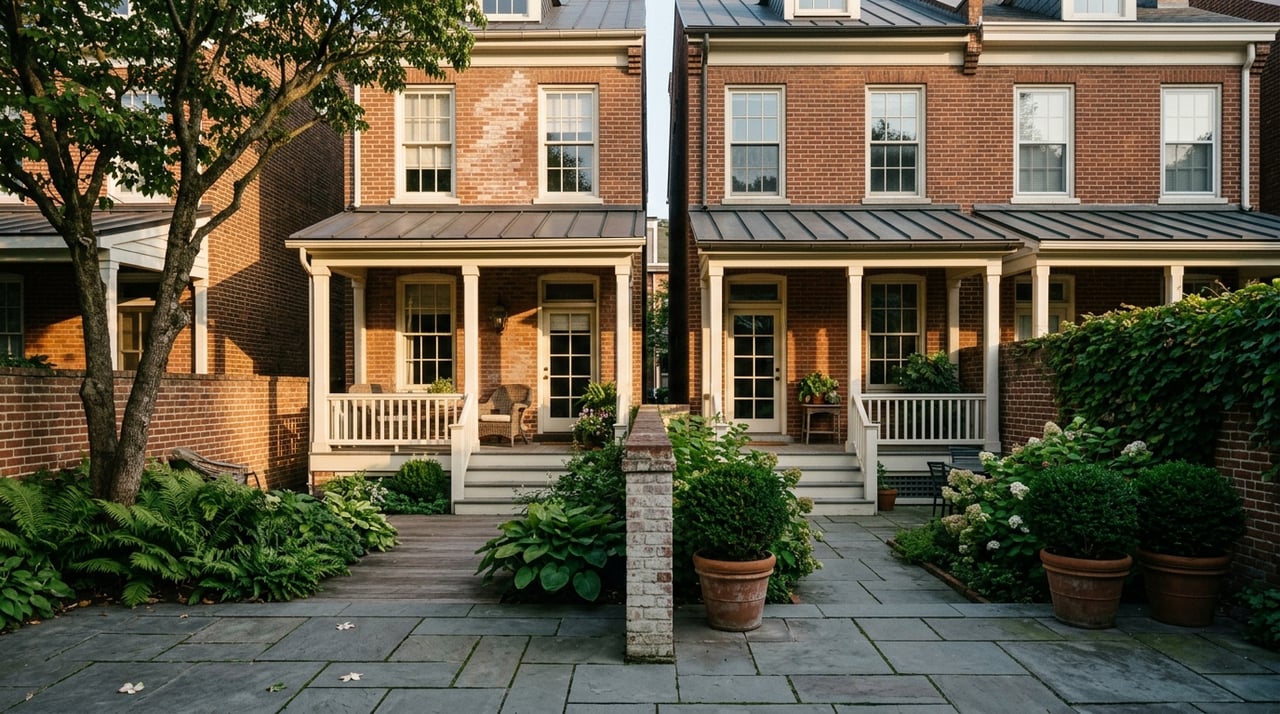
On the second weekend of September, something happens on Capitol Hill that no city agency approved and no street closure permit was ever filed for. Front porches turn into micro-galleries. A rowhouse yard on a quiet block becomes a pottery display. A stoop that usually holds a bike and a few flowerpots holds framed photographs instead, and a stranger stops to look.
This is the Capitol Hill Art Walk, happening this year on Saturday and Sunday, September 12 and 13, from noon to 4 p.m. It is free for artists and visitors, requires no reservation, and is presented by the Capitol Hill Art League, a program of the Capitol Hill Arts Workshop, with the Hill Rag and the Capitol Hill Restoration Society co-sponsoring. This year, more than 175 local artists and artisans are opening their doors at over 90 locations across the neighborhood.
Here is the part that doesn't show up in the calendar listing: this event has grown almost every year since it started, and it has done so without ever asking the District for a street closure. That single fact explains more about how Capitol Hill actually organizes itself than most of what gets written about the neighborhood.
The event didn't start as the Art Walk at all. It began in 2021 as "Artists at Home," a pandemic-era stand-in for the Capitol Hill Restoration Society's Annual House and Garden Tour. It paused the following year when the house tour came back, then returned in 2023 under a new name and a new organizer, the Capitol Hill Art League. Look at what happened to the numbers from there, and a pattern appears, then breaks.
| Year | Participating artists | Locations across the Hill |
|---|---|---|
| 2023 (relaunch under CHAL) | about 40 | not separately tracked |
| 2024 | 80 | 47 |
| 2025 | more than 160 | 75 |
| 2026 | more than 175 | more than 90 |
From 2023 to 2024, the artist count doubled. From 2024 to 2025, it doubled again. That is two straight years of one hundred percent growth for an event with no advertising budget, no paid staff, and no admission fee to fund a marketing push. Then 2026 arrives and the growth rate collapses to something closer to 9 percent, even as the number of locations jumped by 20 percent.
That is not a story of an event running out of steam. It is a story of an event running out of new artists faster than it is running out of new addresses.
Compare this to the neighborhood's other big outdoor draws. The Barracks Row Fall Festival runs along the 8th Street SE corridor, with beer gardens, a petting zoo, and a military chef cook-off that has become a fixture of the day. The H Street Festival closes a single stretch of H Street NE for music and food vendors. Both are real neighborhood institutions, and both are bound by the same physical constraint: a fixed length of pavement that the city agrees to close for one day.
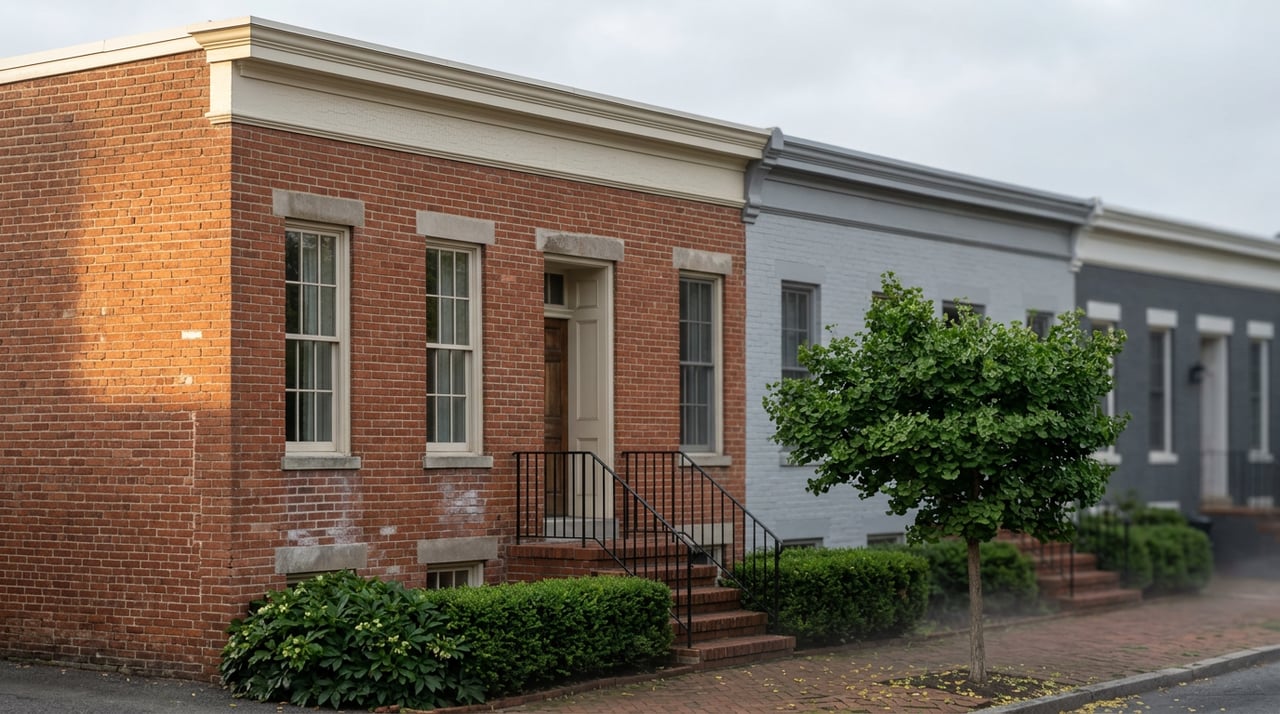
The Art Walk was never built that way. It doesn't close a street because it doesn't need one. Every stop is somebody's own porch, yard, or home studio, which means the event's footprint isn't a corridor, it's the entire residential map of Capitol Hill. A festival on 8th Street can only get as big as 8th Street. An event that lives inside people's private front yards can get as big as the number of neighbors willing to open their gate.
Elizabeth Nelson, who chairs the Capitol Hill Restoration Society's Community Relations Committee and has helped organize the Art Walk since its relaunch, put it plainly ahead of this year's event:
"It is a hugely popular event, and we're expecting another well-attended weekend on Sept. 12 and 13 this year."
What she's describing isn't a festival that got permission to grow. It's an event that was structurally incapable of hitting the kind of ceiling a permitted street festival runs into, because there was never a permit standing between it and its next block.
So if City Hall was never the constraint, what slowed 2026's growth down? The honest answer is the neighborhood itself. A rowhouse block only has so many residents willing to spend a September weekend standing next to their own artwork while strangers walk through the gate. The organizers aren't managing a waiting list of streets that want in, they're managing a waiting list of neighbors willing to participate, and that number grows more slowly than square footage does.
This matters for how you read the 90-plus locations on this year's map. More sites with a smaller jump in artist count means artists are spreading thinner across the neighborhood this year, not clustering as tightly as they did when 160 people crowded into 75 spots in 2025. If you're walking the Hill on September 12 or 13, expect more ground between good stops than last year, not less.
The Art Walk sits under an organization with real institutional depth behind it. The Capitol Hill Arts Workshop was founded in 1972 and now brings roughly 20,000 people through its doors annually for classes in visual arts, ceramics, dance, music, and theater. The Capitol Hill Art League operates as CHAW's visual arts program, and it runs the Art Walk with a rule that hasn't changed since the relaunch: no fees or commissions taken by organizers. Every artist prices and sells their own work directly. If you buy a piece of pottery from a table on someone's stoop, the money goes straight to the person who made it.
Past years have shown the range of what actually turns up. At the 2024 walk, Capitol Hill resident Sarah Hanks, a Suzuki violin teacher at CHAW, spent an afternoon touring a friend's home studio on Archibald Walk and came home with a piece of hanging pottery from Sarah Buffaloe, a local potter who co-owns Capitol Hill Pottery. That is the texture of the event: paintings, prints, ceramics, sculpture, and fiber art, displayed by people who live within walking distance of where you're standing.
If you're planning to go, here is what actually matters:
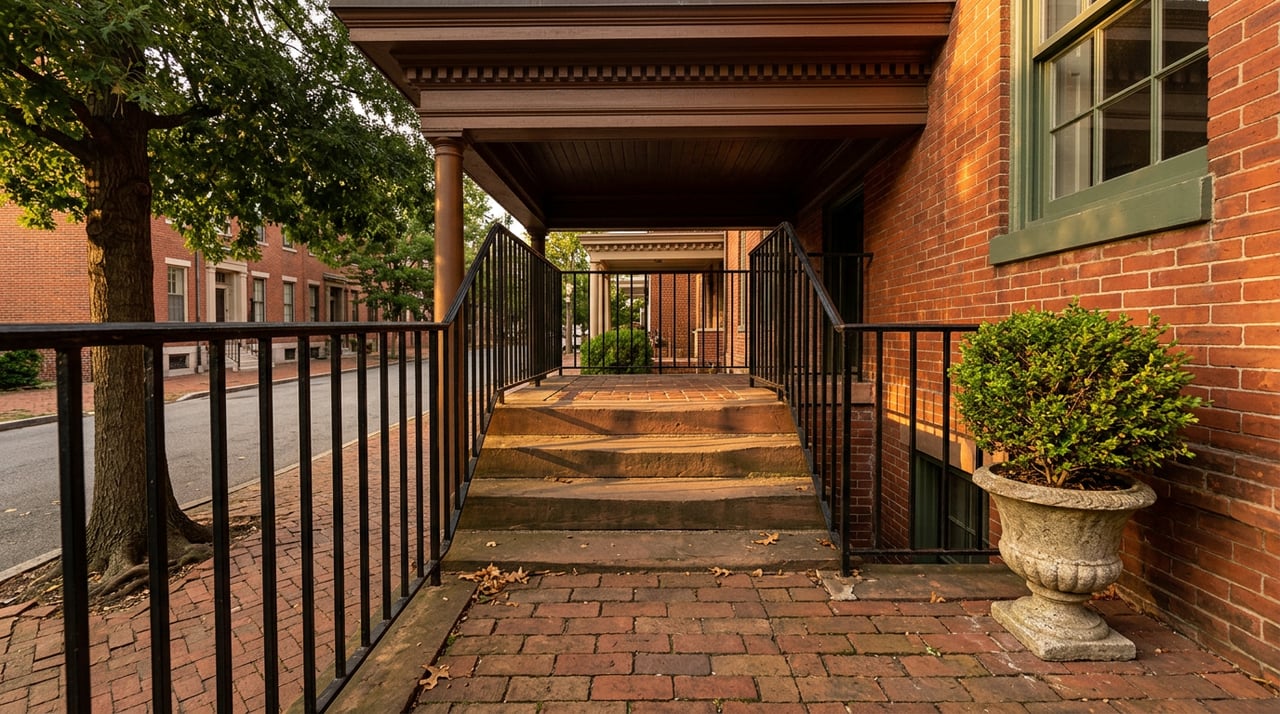
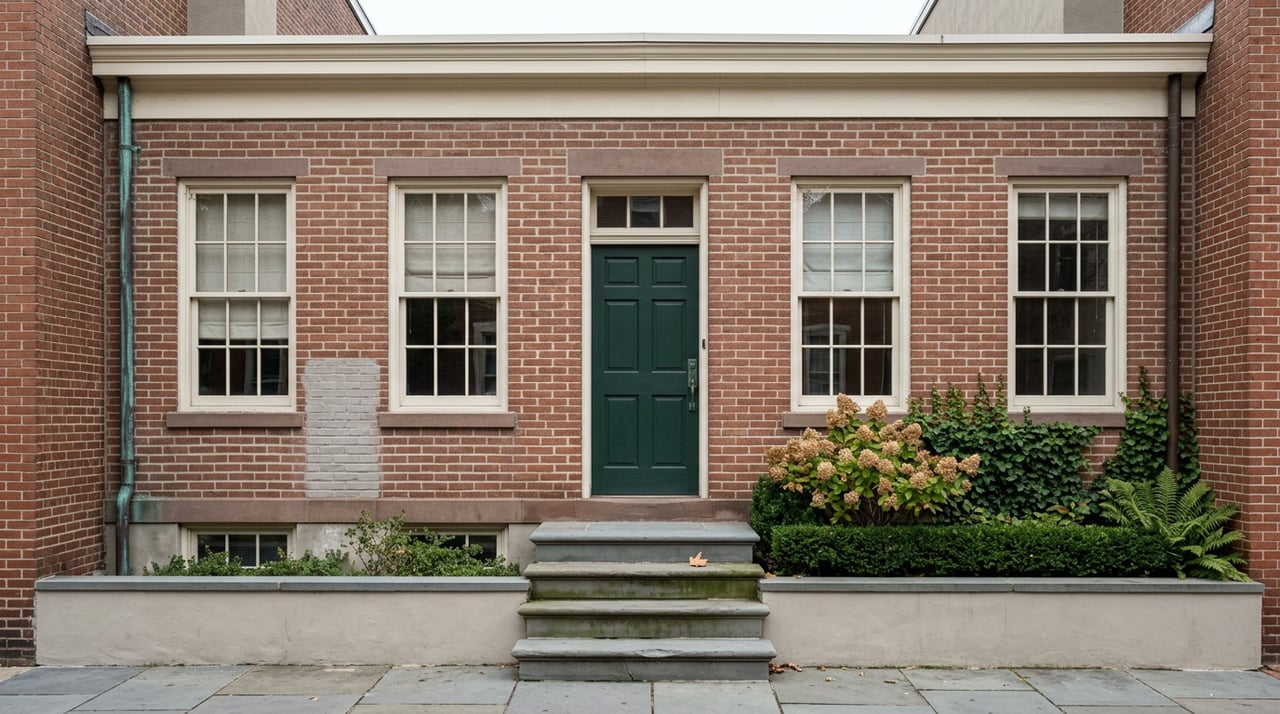
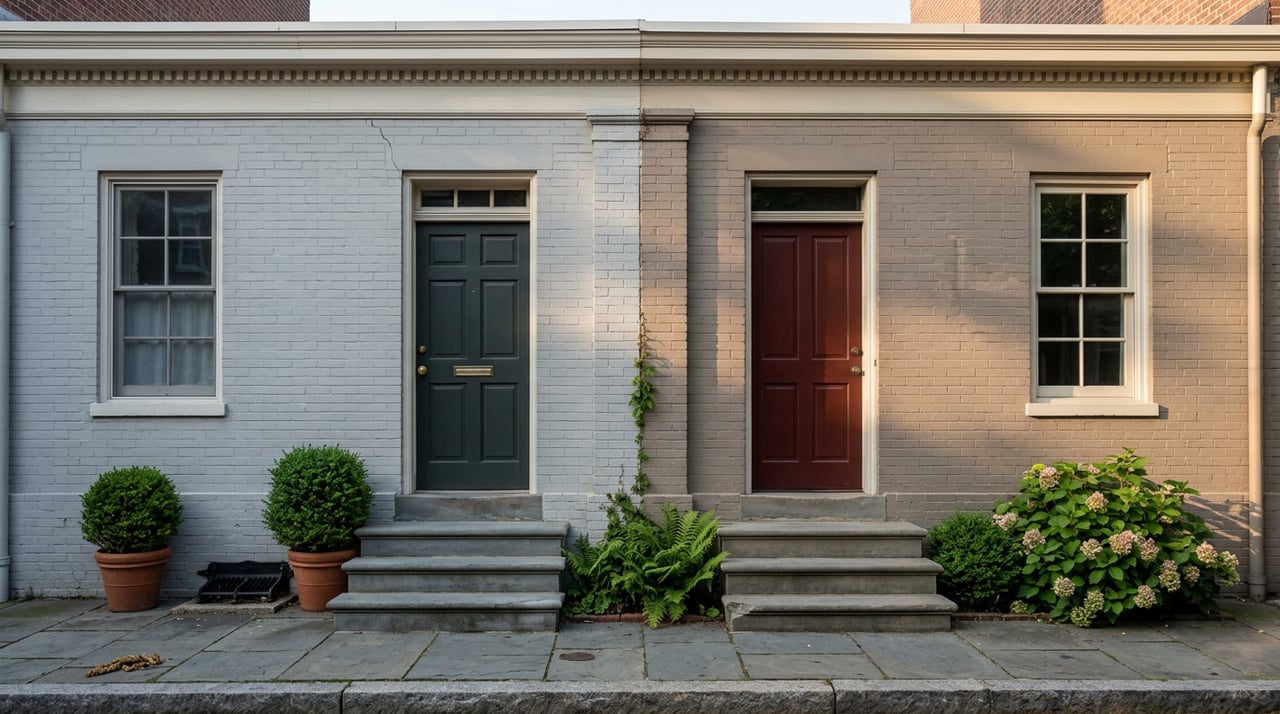
What makes the Art Walk unusual isn't the art. It's the infrastructure. Capitol Hill's rowhouse blocks were built with stoops, small front yards, and alley access long before anyone thought to use them as gallery space, and the neighborhood simply had that capacity sitting there, unused, for decades. The Art Walk didn't create anything new. It found a use for what was already standing.
That's a useful thing to know if you're trying to understand what makes this particular pocket of Washington tick. A lot of neighborhoods can throw a festival if the city lets them close a street for a day. Fewer can produce something that grows on its own, powered by nothing but neighbors deciding to open a gate, two Saturdays running, without asking permission from anyone but the family next door.
This year's printed map, by the way, comes courtesy of a sponsorship from Don Denton, who has spent decades getting to know these blocks one closing at a time. If you're thinking about what it actually means to live on a Capitol Hill street where this kind of thing happens on its own, without a permit or a press release, Don Denton is always glad to talk about it. Let's Connect.
Discover a real estate experience defined by trust, expertise, and heartfelt dedication. Donald's lifelong understanding of what “home” truly means guides every client and every decision.