Everyday Life On Capitol Hill: Where History Meets Routine
June 4, 2026
June 4, 2026
What does daily life on Capitol Hill actually feel like once the headlines fade into the background? For many people, that is the real question. You are not just choosing a famous Washington neighborhood. You are choosing a place where historic rowhouses, daily errands, park paths, and Metro stops shape how your week unfolds. If you want to understand how Capitol Hill blends civic history with ordinary routine, this guide will walk you through it. Let’s dive in.
Capitol Hill is one of Washington’s oldest residential neighborhoods, and that history is still easy to see in everyday life. The neighborhood sits east of the U.S. Capitol and stretches across parts of Northeast and Southeast Washington. The Capitol Hill Historic District was designated locally in 1973 and added to the National Register in 1976, with later expansions in 2003 and 2015.
That history matters, but what makes Capitol Hill special is that it is not frozen in time. It is a neighborhood where people go to the market, walk to the park, head to Metro, and come home to blocks lined with rowhouses. The federal backdrop is real, but so is the sense of routine.
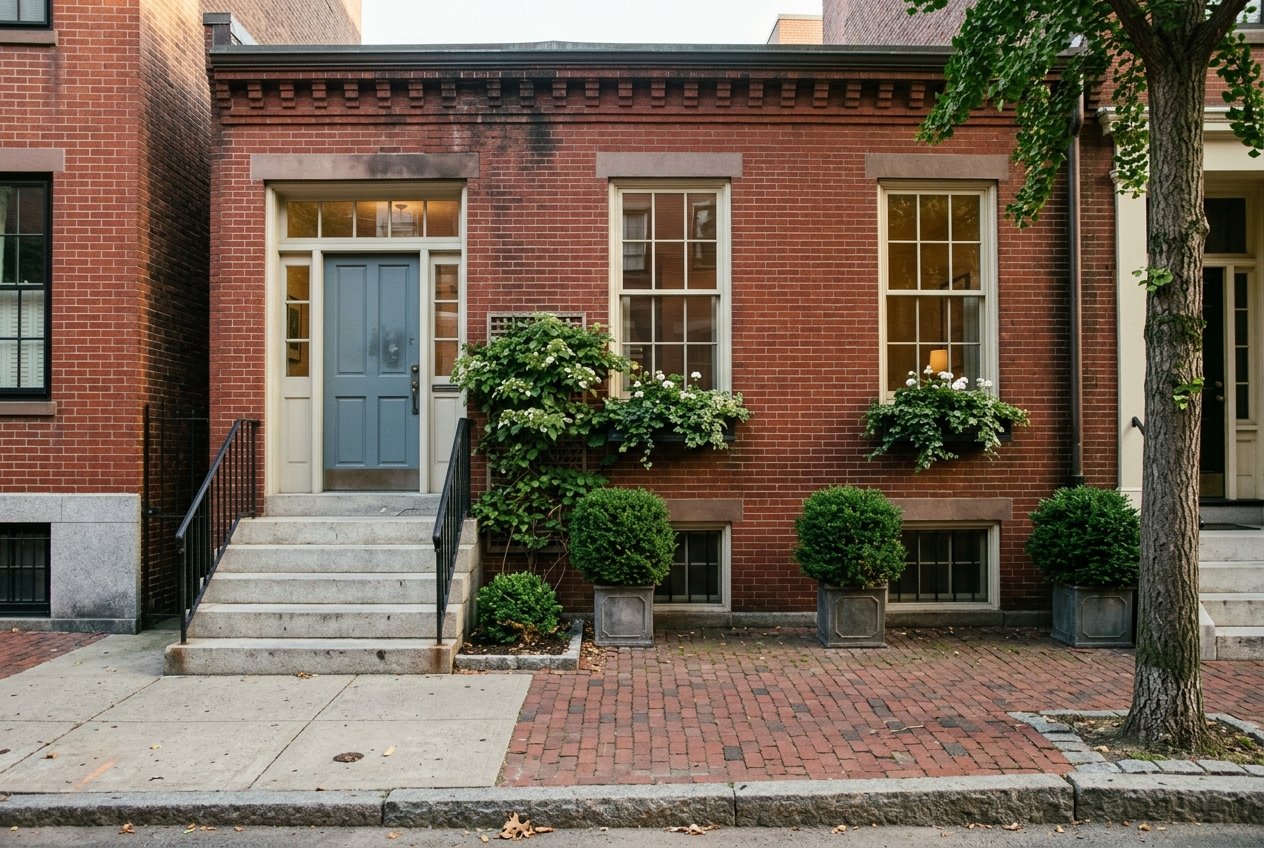
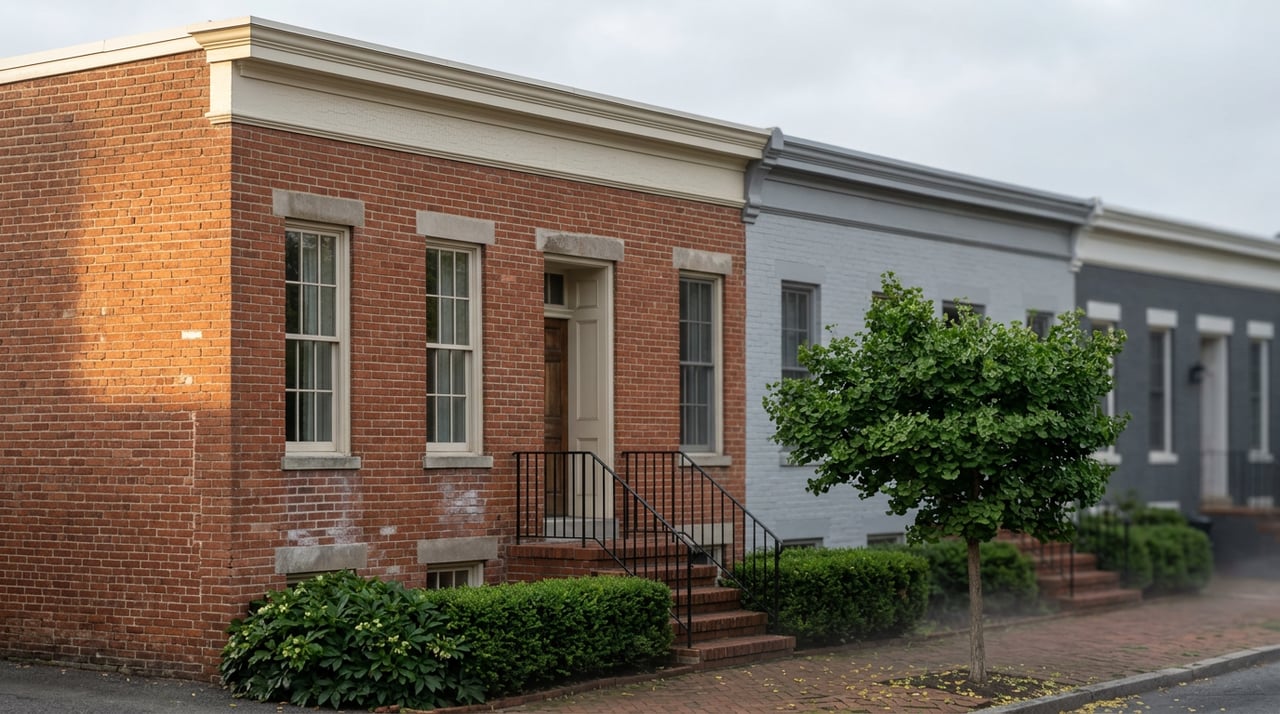
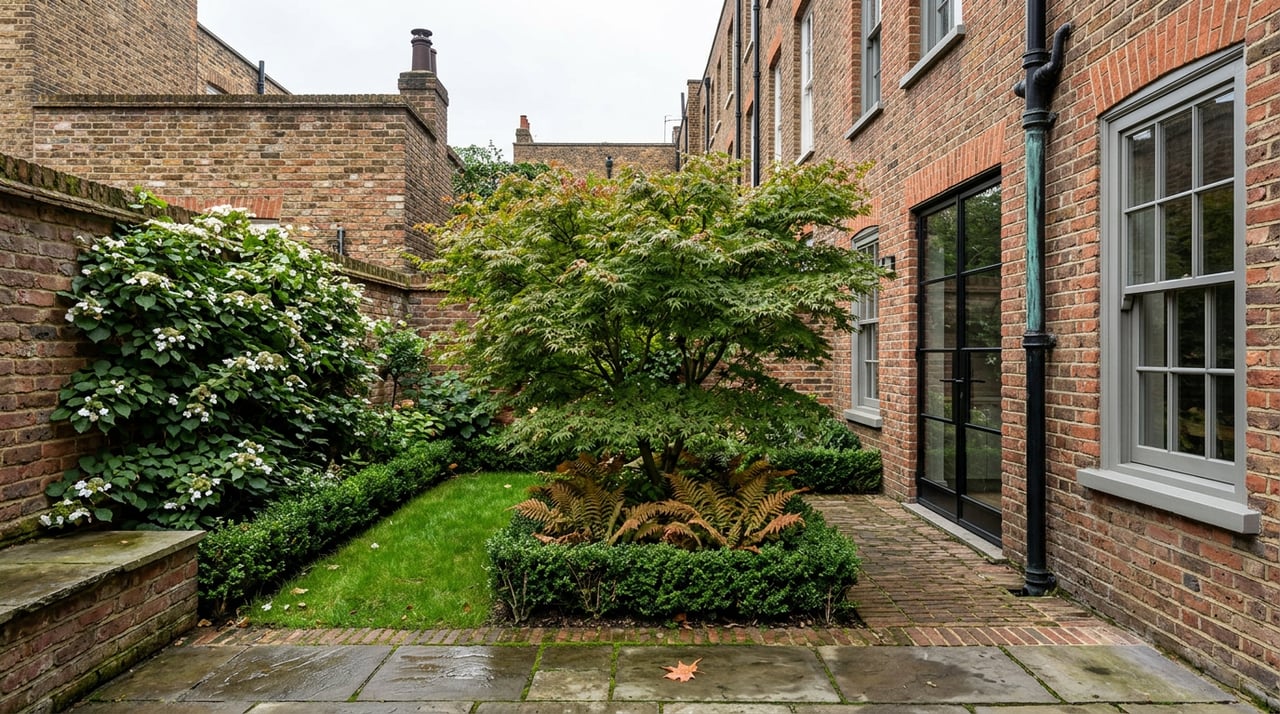
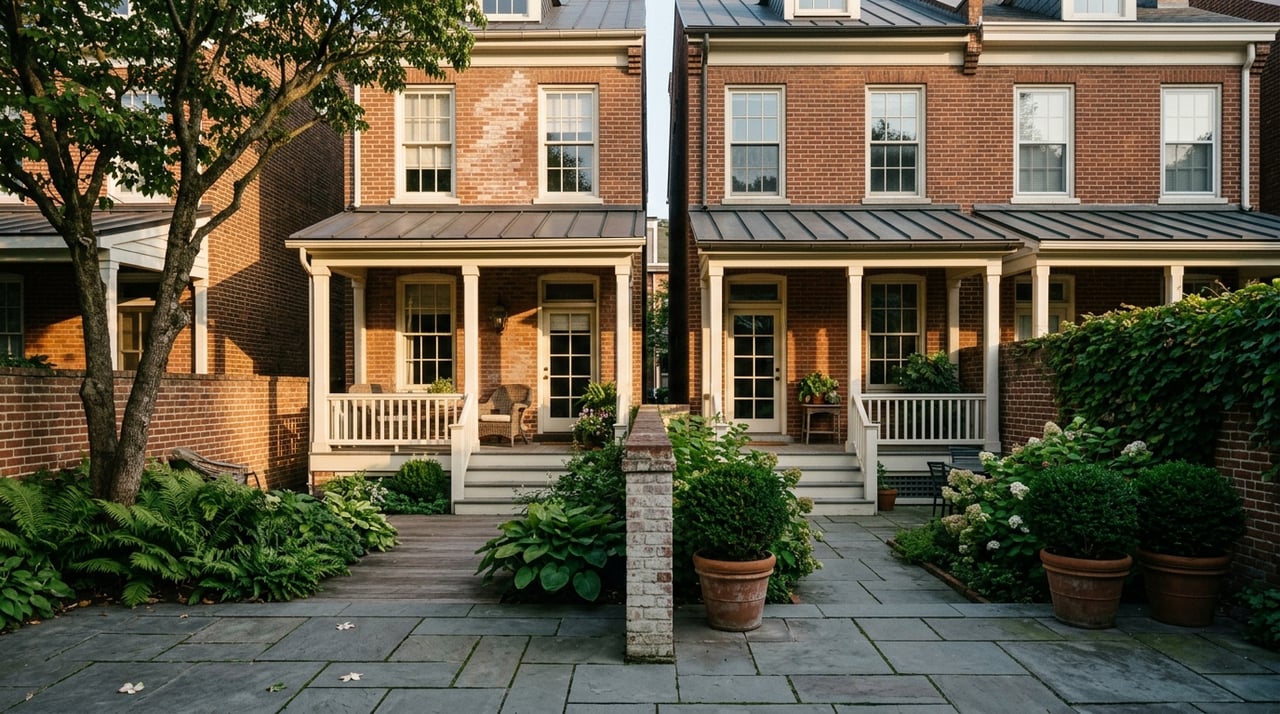
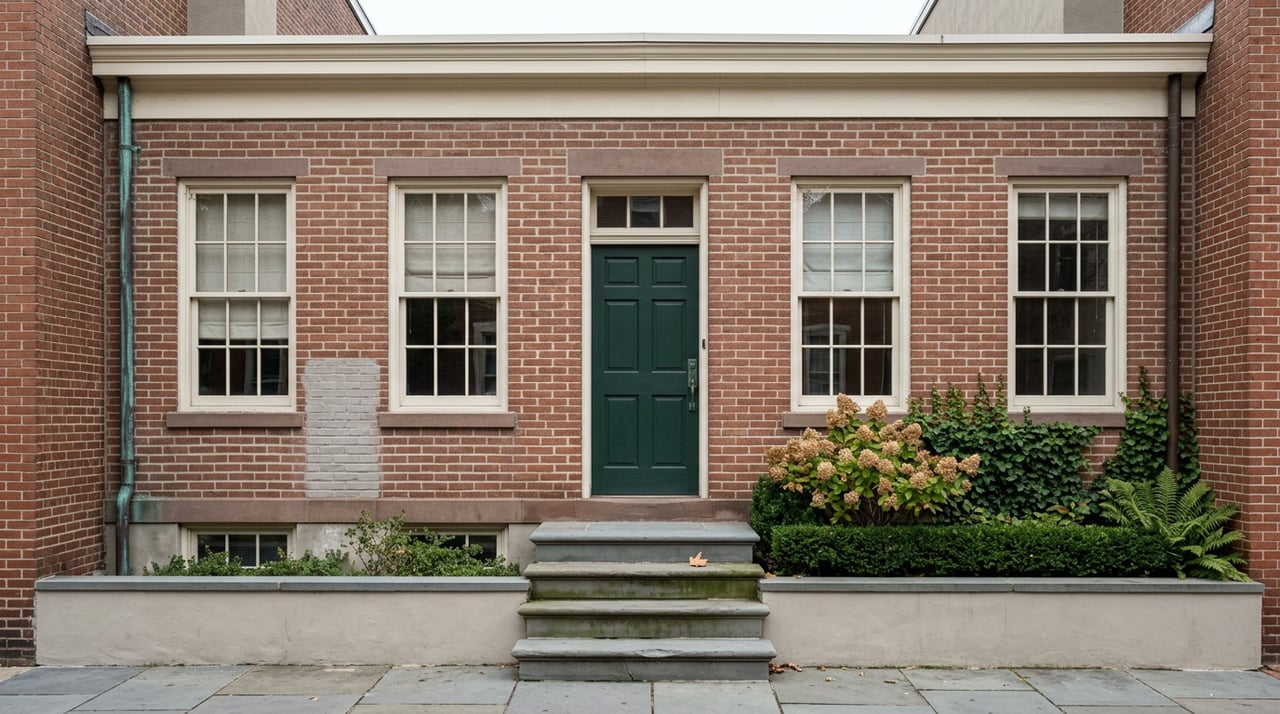
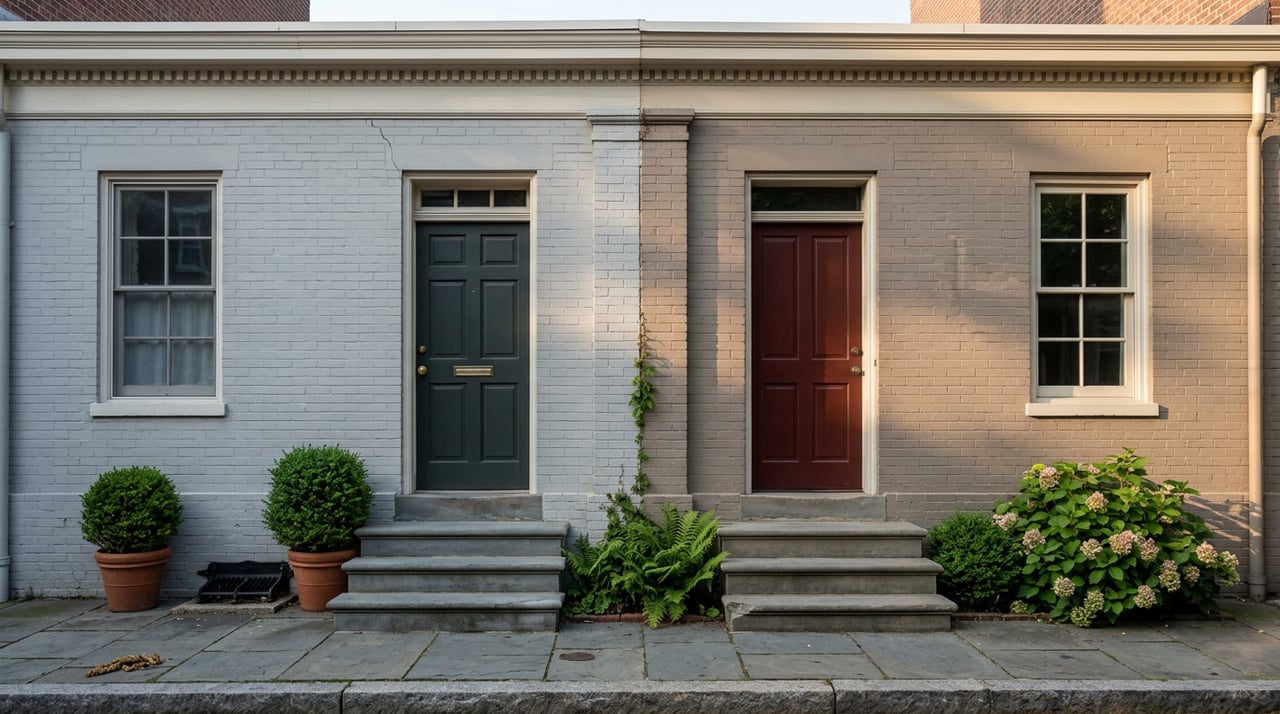
Much of Capitol Hill’s character comes from its housing. Many streets are defined by long runs of rowhouses built in different styles and periods, with commercial buildings along corridors like 8th Street and Pennsylvania Avenue. Religious and institutional buildings are mixed into the streetscape, which adds to the layered feel of the neighborhood.
For you as a resident, that often means life feels block by block rather than master-planned. One street may have a tight rhythm of brick facades and stoops, while the next opens up to a small park, a corner business, or a landmark building. That variety is part of why Capitol Hill feels intimate instead of overwhelming.
It also helps explain why so many buyers are drawn to the neighborhood’s housing stock. The architecture tells a story, but it also supports a very practical kind of city living. Front steps, short sidewalks, and human-scaled streets make the area feel personal in a way that larger corridors often do not.
If there is one place that captures the daily rhythm of Capitol Hill, it is Eastern Market. It is DC’s oldest continually operating public fresh food market, and it functions as more than a place to shop. It is a community hub with the South Hall Market, Fresh Tuesdays Farmers Market, the Weekend Farmers’ Line, the Weekend Outdoor Market, and the North Hall event space.
For many residents, Eastern Market becomes part of the week without much effort. You might stop in for fresh food, browse on a weekend, or meet friends while live music and foot traffic fill the area. That kind of repeat-use gathering place gives the neighborhood a steady pulse.
Capitol Hill often feels strongest in these ordinary moments. A trip for groceries can turn into a walk, a conversation, or an hour spent outdoors. That is part of what people mean when they say a neighborhood has real community life.
A few blocks away, Barracks Row brings another layer to everyday life. The five-block stretch of 8th Street SE from Pennsylvania Avenue SE to M Street SE is known for year-round festivals, promotions, and neighborhood celebrations. It also includes a broad mix of businesses that serve residents day to day.
That mix matters because convenience is not only about big retail. On and around the corridor, you will find restaurants, pubs, bookstores, salons, home-and-garden retailers, and other neighborhood-serving businesses. In practical terms, that supports the kind of routine where you can handle small errands, meet someone for dinner, or spend part of a Saturday close to home.
Capitol Hill does not revolve around one oversized commercial core. Instead, it offers a network of useful places that fit naturally into daily movement. That tends to make the neighborhood feel more connected and more manageable.
Transit is a major part of how many residents experience Capitol Hill. WMATA lists both Capitol South and Eastern Market on the Orange, Silver, and Blue lines. Eastern Market station is at Pennsylvania Avenue and 7th Street SE, while Capitol South is at 355 First Street SE.
Each stop serves a slightly different slice of neighborhood life. Eastern Market is the station tied closely to the public market and Marine Barracks, while Capitol South sits near the Capitol grounds. Union Station adds another layer of access with the Red Line, plus Amtrak, MARC, VRE, and Greyhound connections.
That range of options supports a neighborhood built on short daily trips. WMATA also notes bike parking and bikesharing at Eastern Market station, which fits the area’s pattern of walking, biking, and transit use. For you, that can mean less dependence on a car for the routines that fill most weeks.
Capitol Hill’s green spaces are woven into the neighborhood rather than pushed to the edges. Capitol Hill Parks include Lincoln, Stanton, Marion, and Folger Parks, along with smaller spaces like Seward Square, Twining Square, the Maryland Avenue Triangles, and the Pennsylvania Avenue Medians. These open spaces grew out of Pierre L’Enfant’s original plan for Washington.
That design still affects modern daily life. Instead of moving through block after block of uninterrupted buildings, you get pauses in the grid. A walk to run errands can include a shaded square, a bench, or a different route home.
The parks are open daily from 6 a.m. to 10 p.m., which makes them practical as well as scenic. They help create the feeling that Capitol Hill is a residential neighborhood first, even with major civic buildings nearby.
Capitol Hill is not only historic because of its architecture. It also has recurring traditions that give the neighborhood continuity from year to year. The Capitol Hill Restoration Society has hosted its Mother’s Day House & Garden Tour every year since 1958, and Eastern Market continues to anchor regular events and weekend activity.
Barracks Row Main Street also organizes programming throughout the year. These events do not feel separate from neighborhood life. They are part of the rhythm that helps residents return to the same places again and again.
There is also a forward-looking side to that civic life. Capitol Hill BID describes Eastern Market Metro Park as a planned town square designed for multi-generational social activity and improved transit connectivity. That says a lot about the neighborhood’s identity: rooted in history, but still thinking carefully about everyday public space.
Many Washington neighborhoods offer history, walkability, or transit. Capitol Hill stands out because it combines all three in a very lived-in way. Daily life is often built from short walks between home, market, Metro, parks, and neighborhood businesses instead of one destination doing all the work.
That can be a meaningful difference if you are deciding where to live. You are not just buying into a recognizable name. You are choosing a pattern of life shaped by routine access, historic housing, and community spaces that people actually use.
For buyers, that often means balancing charm with practical needs like commute options, outdoor space, and housing style. For sellers, it means understanding that Capitol Hill’s appeal is deeply tied to neighborhood context, not just square footage. The block, the nearby park, the walk to Eastern Market, and the feel of the streetscape all matter.
If you are thinking about buying on Capitol Hill, it helps to look beyond the postcard image. Pay attention to how each micro-location supports your routine. A home near Eastern Market may offer one kind of rhythm, while a spot closer to Capitol South or one of the neighborhood parks may feel different day to day.
If you are preparing to sell, the same local nuance matters. Capitol Hill buyers often respond to the details that make a home feel connected to the neighborhood, including historic character, street presence, and access to daily conveniences. Understanding how to position those features can make a real difference.
That is where hyperlocal knowledge becomes valuable. Capitol Hill is layered, and the experience of one block is not always the same as the next. A neighborhood this established deserves advice that reflects how people actually live there.
Capitol Hill has a rare balance. It is historic without feeling staged, active without feeling chaotic, and local despite its national setting. If you are considering a move here, or thinking about your next chapter in the neighborhood, working with someone who understands that daily rhythm can help you make a more confident decision.
If you want guidance grounded in decades of Capitol Hill experience, connect with Donald Denton for help buying, selling, renting, or understanding your home’s value.

Discover a real estate experience defined by trust, expertise, and heartfelt dedication. Donald's lifelong understanding of what “home” truly means guides every client and every decision.